Is Boxing Safe for Kids? Addressing Parents' Concerns
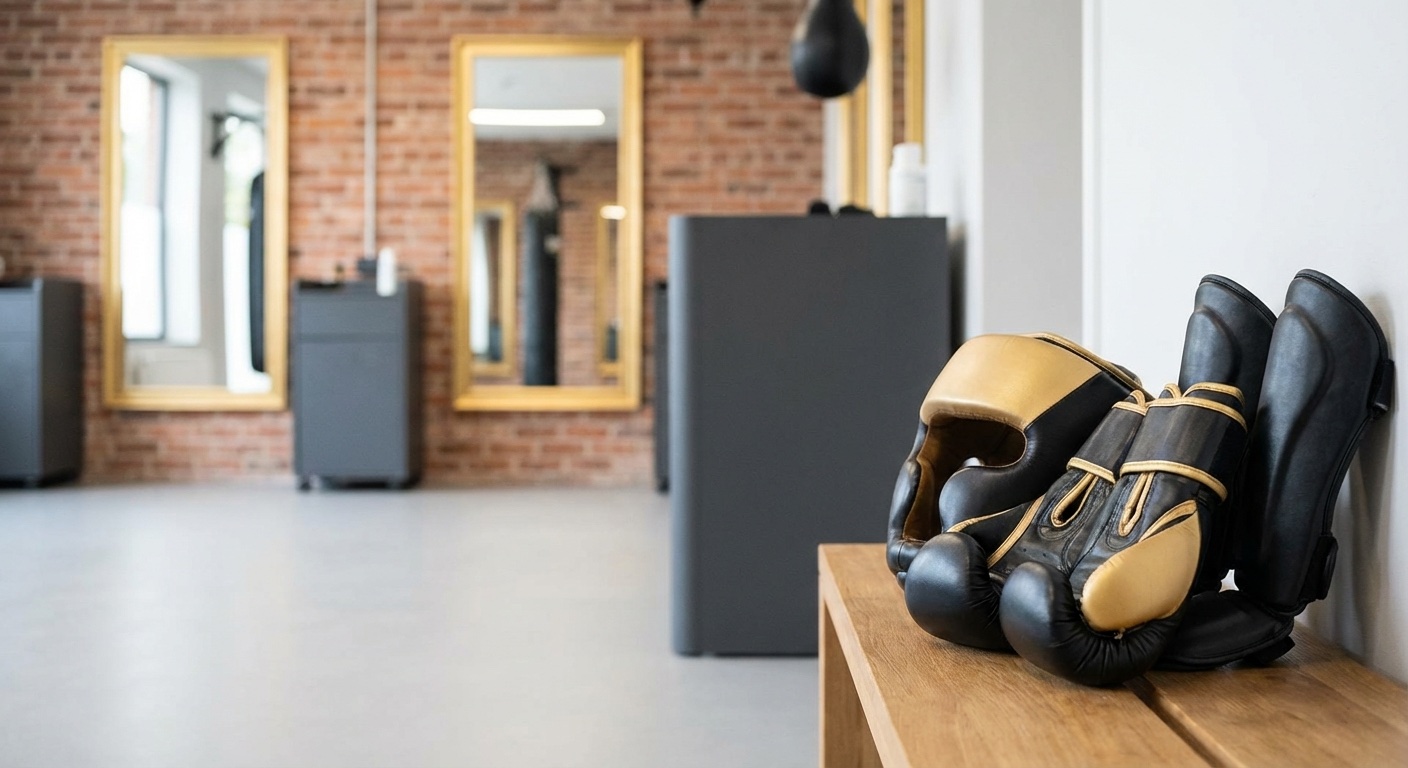
"Is boxing safe for kids?" It's the first question most parents ask, and honestly, it's the right question. You should be cautious about what activities your children do. Let's address this head-on.
The short answer: yes, boxing is safe for kids when taught properly at a reputable gym. But that answer deserves unpacking.
What "Boxing for Kids" Actually Looks Like
Here's the thing - children's boxing is very different from what you see on TV. There's no gladiatorial combat. No blood. No knockouts.
In a typical youth boxing class, kids do:
- Warm-up games and exercises
- Footwork drills
- Punching technique on pads held by coaches
- Bag work
- Fitness circuits
- Shadow boxing
- Partner drills for movement (no contact)
Notice what's missing? Kids punching other kids. In beginner and intermediate classes, children don't hit each other. They learn technique on equipment, not on training partners.

Addressing Specific Safety Concerns
Head Injuries and Concussion
This is usually the biggest worry, and it's valid. Concussions are serious, especially for developing brains.
The facts: In non-sparring boxing training, head injuries simply aren't a factor. You can't get a concussion from punching a bag or pad. The risk is essentially zero.
For children who progress to sparring (which is always optional and typically not until age 10+), strict safety measures apply:
- Full headguards designed to protect the head and face
- Body protectors for torso hits
- Proper gloves that reduce impact
- Light contact only - coaches stop any heavy exchanges
- Strict supervision with immediate intervention
England Boxing, the governing body, has extensive protocols for youth sparring and competition. Weight categories, experience matching, and safety equipment all reduce risk substantially.
Comparative data shows that children playing football, rugby, or even cycling experience more head injuries than those in supervised youth boxing programs. This surprises most parents.
Broken Bones and Joint Injuries
Boxing is actually low-impact compared to many sports. There's no running full speed into other players, no sudden tackles, no awkward landings from height.
Hand injuries can occur from improper technique when hitting bags - this is why proper coaching matters. A qualified instructor teaches kids to wrap hands correctly and use proper form before letting them hit anything hard.
General Injury Rates
A 2022 study in the British Journal of Sports Medicine found that youth boxing had lower injury rates per hour of training than football, rugby, basketball, and gymnastics. Most injuries that do occur are minor - bumps, small bruises, occasional muscle strains.
This doesn't mean boxing is risk-free. Every physical activity carries some risk. But the risks in properly supervised youth boxing are manageable and comparable to or lower than most popular children's sports.
The "Violence" and Aggression Question
Parents often worry that teaching kids to punch will make them aggressive. It's a reasonable concern that doesn't hold up to reality.
Research consistently shows that children in martial arts and boxing programs demonstrate decreased aggressive behaviour compared to peers. Why?
- Outlet for energy. Kids have natural physical energy that needs somewhere to go. Boxing provides a legitimate outlet. Punch the bag, not your sister.
- Emotional regulation. Training teaches kids to manage frustration and anger in structured ways. They learn that aggression has appropriate contexts - the gym - and that self-control matters.
- Confidence reduces conflict. Kids who know they can handle themselves don't need to prove anything. Secure children are less likely to start fights or respond aggressively to provocation.
- Discipline and respect. Good boxing gyms emphasise respect as a core value. Being aggressive or disrespectful in class isn't tolerated. This transfers to behaviour outside the gym.
The kids who benefit most from boxing are often those who struggled with aggression before they started. The structure, physical outlet, and values of the sport genuinely help.

What Makes a Boxing Gym Safe for Kids?
Not all gyms are equal. Here's what to look for:
Qualified Coaches
Coaches should have England Boxing qualifications (Level 2 minimum for leading youth sessions). They should also have current DBS (background) checks and first aid training.
Ask directly. Good gyms are proud of their coaches' qualifications and happy to share them.
Appropriate Class Structure
Children shouldn't be training alongside adults. Youth sessions should be age-banded so six-year-olds aren't trying to keep up with twelve-year-olds.
Class sizes matter too. More than 12-15 kids per coach means less supervision and individual attention.
Clear Safety Policies
Ask about their approach to sparring (when it's introduced, what protection is required, who supervises). Ask about how injuries are handled. Ask about their policy on behaviour and bullying.
Vague or defensive answers are red flags. Good gyms have thought these things through.
Quality Equipment
Bags should be appropriate sizes for children. Gloves should be available in youth sizes. Pads should be in good condition. Mats should be clean and properly maintained.
Poor equipment increases injury risk and suggests a gym that cuts corners elsewhere.
Culture and Environment
Watch a class before signing up. Are coaches engaged and attentive? Do kids seem happy and focused? Is respect emphasised? Does discipline come through intimidation or through clear expectations?
Trust your gut. If something feels off, keep looking.
Sparring - When and How
For parents worried about contact, here's how responsible gyms handle sparring:
- Introduced gradually. Kids train for months or years learning technique before any sparring. They need to be ready.
- Always optional. No child should be pressured into sparring. Plenty of kids train happily for years without ever fighting another person.
- Full protection. Headguards, body protectors, proper gloves. This isn't negotiable.
- Controlled environment. Sparring happens in small groups under direct coach supervision. Heavy shots are stopped immediately.
- Matched appropriately. Kids spar others of similar size, age, and experience. Mismatches are avoided.
- Light contact rules. The goal is to practice technique, not to hurt anyone. Kids learn to control their power.
If a gym throws beginners into hard sparring or doesn't enforce protective equipment, walk away. That's not professional coaching - it's irresponsible.
The Bigger Picture on Risk
Every parent manages risk. You probably let your child ride a bike (cyclists have significant head injury rates). You might sign them up for football (high injury sport). You let them jump on trampolines at friends' houses (emergency rooms see plenty of trampoline accidents).
We make these decisions because the benefits outweigh the risks. The same calculation applies to boxing.
The fitness benefits are substantial. The confidence, discipline, and emotional regulation often transform children. The sense of belonging and achievement matters.
And the actual risks, in supervised training without sparring, are minimal. Kids are more likely to get hurt running around a playground.
Signs Your Child Is Ready
Is boxing safe for kids? Largely yes. But is your specific child ready? Consider:
- Can they follow instructions and respect rules?
- Do they have basic coordination and body awareness?
- Can they handle constructive correction without getting upset?
- Are they interested (not just you pushing them)?

If yes to most of these, they're probably ready to try a class.
Try It and See
The best way to evaluate whether boxing suits your child is to experience it. Watch a session. Ask questions. Let your child try a class and see how they respond.
H&G Team
Writer at Honour & Glory Boxing Club, a community boxing gym in Kidbrooke, South East London.
MORE LIKE THIS


WANT TO JOIN US?
Book a free trial session and see what we're all about.
Book a Free Trial