Youth Boxing vs Other Sports - Why Parents Are Choosing Boxing
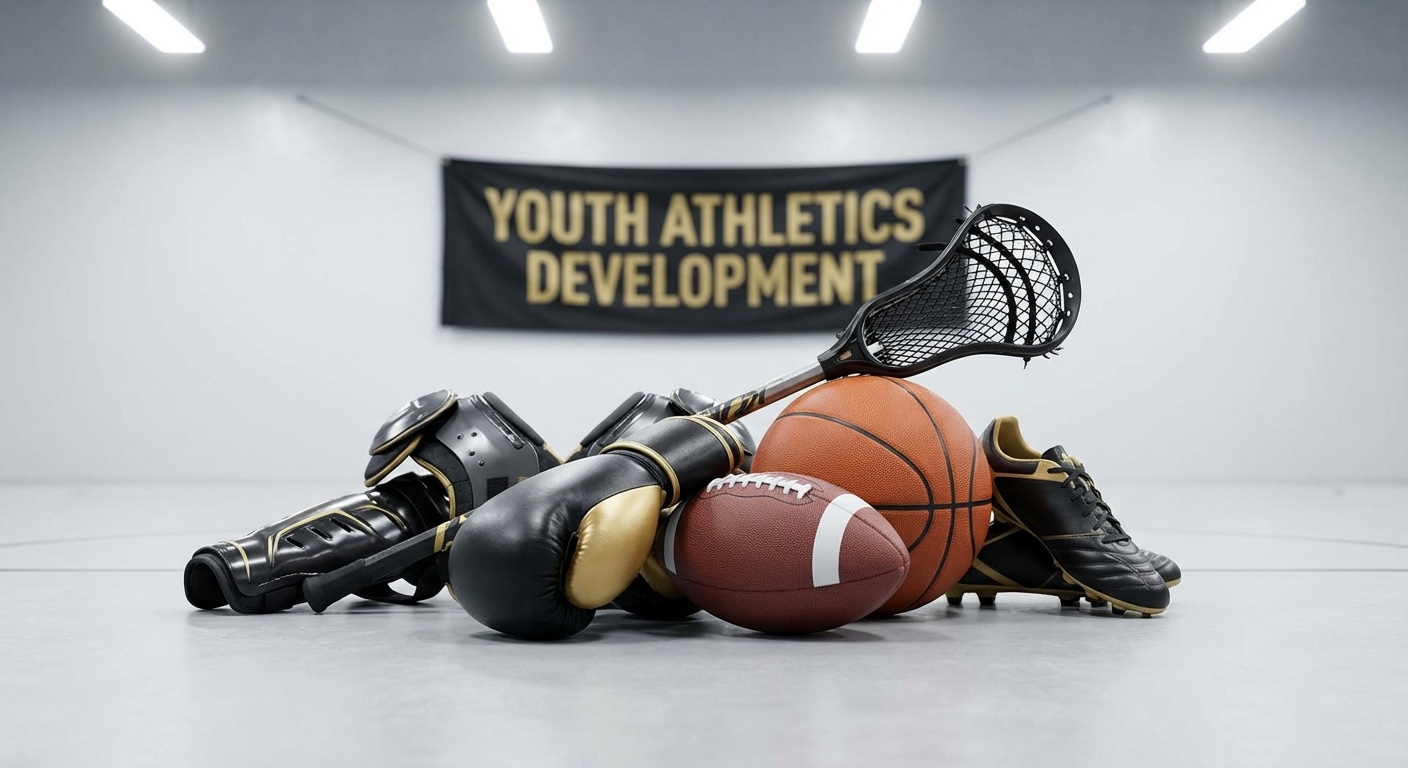
When you're picking a sport for your child, boxing might not be the first thing that comes to mind. Football has its appeal. Swimming is practical. Rugby builds toughness. Martial arts seem disciplined.
But youth boxing offers something unique, and more parents are discovering that. Here's how it stacks up against the alternatives.
Youth Boxing vs Football
Football is the default choice for many British families. It's everywhere, it's social, and kids understand it from watching the Premier League.
- Easy to start - just need boots and a ball
- Team camaraderie and belonging
- Available in virtually every community
- Clear pathway to higher levels
- Great for kids who love team dynamics
- Individual progression - your child improves at their own pace, not dependent on team selection
- Every child gets equal attention (no sitting on the bench)
- Lower injury rates than competitive football
- Better full-body workout
- Builds confidence that isn't tied to winning or losing as a team
- No politics about who gets picked or plays which position
The biggest difference: in football, some kids dominate while others barely touch the ball. In boxing, every child gets the same opportunity to learn and improve. There's no bench, no selection drama, no being overshadowed by more talented teammates.
Youth Boxing vs Rugby
Rugby shares some values with boxing - discipline, physical courage, controlled aggression. Both sports appeal to kids who don't mind contact.
- Strong team bonds and traditions
- School integration (many schools have rugby programmes)
- Teaches strategic thinking and teamwork
- Clear positions suit different body types and abilities
- Significantly lower head injury rates (in training)
- Contact is optional and controlled (in boxing classes)
- Individual achievement and progression
- No need for large numbers to train effectively
- Year-round training isn't weather dependent
- Suits kids who prefer individual sports
The injury question matters here. Rugby at youth level involves regular tackling and collisions. The head injury debate in rugby has become serious, with growing concern about concussion protocols.
Boxing training (without sparring) has essentially zero head injury risk. Even with sparring, controlled environment and protective equipment make serious injury rare.
Youth Boxing vs Swimming

Swimming is often seen as the "safe" choice - a life skill that also provides exercise.
- Essential life skill
- Very low injury risk
- Good for kids who don't like ball sports
- Individual progression
- Available year-round at indoor pools
- More engaging for many kids (punching is fun)
- Teaches practical self-defence
- Stronger community and social element
- Better for building confidence and mental toughness
- More varied training keeps interest
- Doesn't require facility access for basic practice
Swimming is a skill every child should have. But as a long-term sport, many kids find it repetitive. Staring at a black line for lengths on end isn't for everyone. Boxing offers more variety in training and a stronger sense of community.
Youth Boxing vs Other Martial Arts
This comparison comes up constantly. How does boxing differ from karate, taekwondo, judo, or Brazilian jiu-jitsu?
- Focus on kicks as well as punches
- Belt progression systems provide clear goals
- Often emphasis on forms/patterns
- Boxing is generally more practically effective for self-defence
- Boxing provides a harder workout
- Grappling rather than striking
- Excellent for ground fighting and control
- Lower concussion risk (no head strikes)
- Boxing develops better fitness and striking ability
- Some kids prefer hitting things over wrestling
Overall martial arts comparison:
Boxing is arguably the most practical striking art for self-defence. The skills transfer directly to real situations better than many traditional martial arts. The fitness benefits are typically higher due to the intensity of training. And the lack of formal belt systems means progression is based on actual skill, not testing.
That said, many martial arts teach valuable principles. The "best" martial art is the one your child enjoys and sticks with.
Youth Boxing vs Gymnastics
Gymnastics develops remarkable body control and flexibility.
- Exceptional flexibility and coordination development
- Good for kids who like performance and display
- Clear competition pathway
- Teaches spatial awareness

- Less pressure on achieving specific physical ideals
- More practical fitness that transfers to other sports
- Lower injury rate (gymnastics has significant injury rates)
- More accessible - no specific body type required
- Teaches practical self-defence skills
Gymnastics has unfortunately developed a problematic culture in some quarters around body image and weight. Boxing is more accepting of different body types.
Youth Boxing vs Team Sports Generally
Beyond specific comparisons, there's a broader question: individual sport versus team sport?
- Learning to work with others
- Shared success and failure
- Social connection through the team
- Progress isn't dependent on others
- No being benched or dropped
- Credit for achievement is clear
- Setbacks don't affect teammates
- Train when you can, not just when the team does
Some children thrive in team environments. Others struggle with the social complexity or get lost in the group. Boxing suits kids who prefer individual achievement while still being part of a gym community.
The Unique Benefits of Youth Boxing
Several benefits make boxing stand out regardless of comparison:
Confidence Building
Boxing builds a specific kind of confidence. Your child knows they can handle themselves. They've been in hard training situations, learned to control their body, developed practical skills. This confidence is authentic and resilient.
Discipline That Sticks
Boxing gyms demand respect and discipline. Not through intimidation, but through clear expectations. Kids learn that showing up, working hard, and respecting others is non-negotiable. This transfers to school and home.
Fitness That Actually Matters

Boxing is genuinely hard work. Your child gets cardio, strength, coordination, and functional fitness. They become properly fit, not just sport-specific fit.
Practical Self-Defence
Unlike some martial arts that involve complex techniques they'll never use, boxing teaches practical striking and defence. If your child ever needs to protect themselves, what they've learned actually works.
Individual Attention
In a boxing gym, coaches see every child. There's no hiding in a team. This means weaknesses get addressed and strengths get developed. Shy kids can't fade into the background.
Caters to All Body Types
There's no ideal boxer body type for training. Tall kids, short kids, heavy kids, light kids - everyone can box effectively. This inclusion matters for children who don't fit the mould for other sports.
Making the Choice
The right sport for your child depends on them, not on what's objectively "best."
- Prefers individual achievement
- Has lots of energy to burn
- Struggles with team sport politics
- Wants to feel confident and capable
- Likes physical, intense activity
- Would benefit from structure and discipline
- Doesn't fit the typical athlete mould
- Specifically loves team dynamics
- Already has a strong passion for another sport
- Has physical conditions that make boxing unsuitable
Often the best approach is letting kids try different things. A trial session tells you more than any comparison article.
Try Boxing and Decide
Book a free trial at H&G and let your child experience youth boxing firsthand. Many kids arrive uncertain and leave asking when they can come back. The only way to know if it's right for your child is to try it.
H&G Team
Writer at Honour & Glory Boxing Club, a community boxing gym in Kidbrooke, South East London.
MORE LIKE THIS


WANT TO JOIN US?
Book a free trial session and see what we're all about.
Book a Free Trial