Advanced Boxing Combinations: Beyond the 1-2
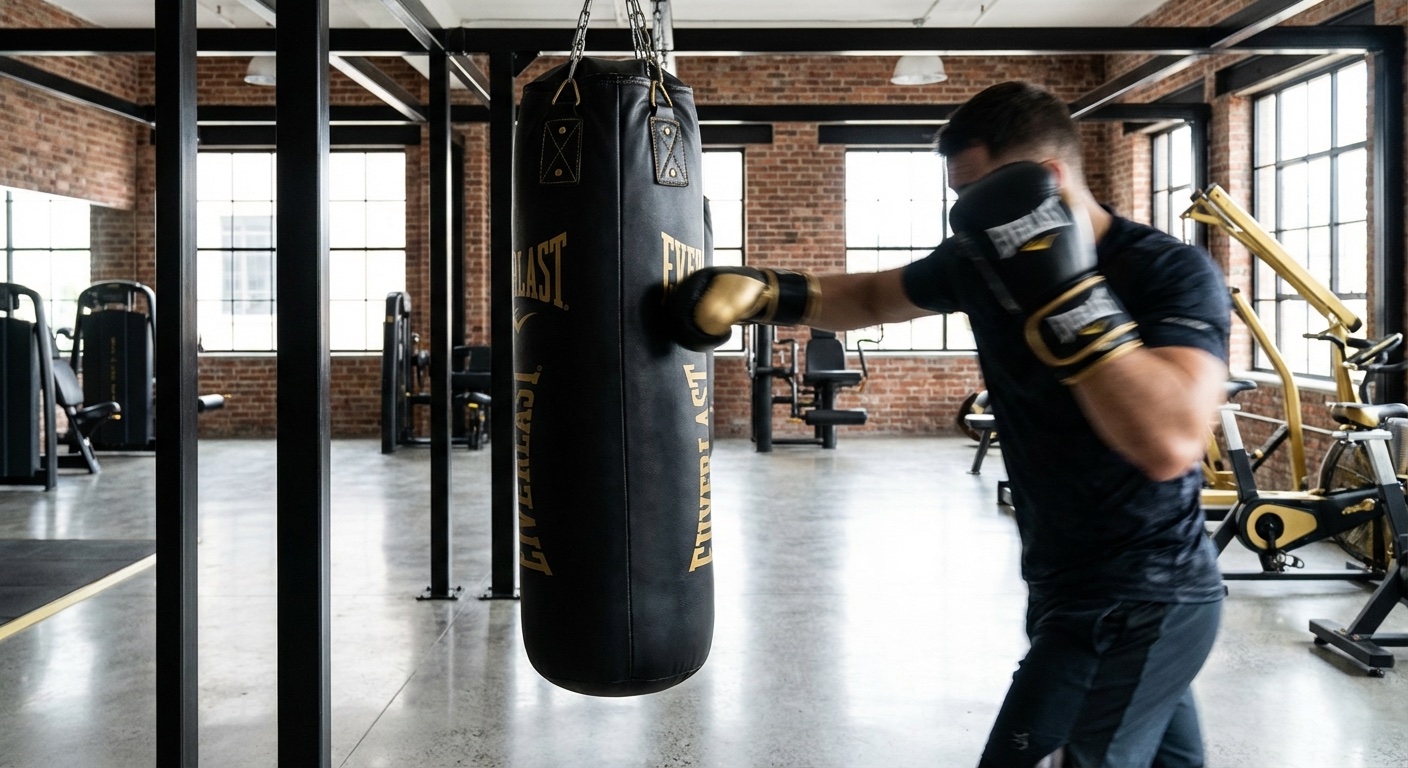
Every boxer learns the jab-cross. The 1-2 is the bread and butter of boxing - and for good reason. It works.
But if the 1-2 is all you throw, you become predictable. Opponents time you, coaches game-plan against you, and your effectiveness diminishes.
Here are advanced combinations to expand your arsenal. We'll break down when to use them, how to execute them, and what makes them effective.
Quick Reference: The Numbers
Before we start, here's the standard numbering system:
- 1 = Jab
- 2 = Right cross (right hand)
- 3 = Left hook
- 4 = Right hook (or overhand right)
- 5 = Left uppercut
- 6 = Right uppercut
- b = Body (e.g., 3b = left hook to body)
Numbers may vary slightly between gyms, but this is the common convention.
Level One: Building on the Basics

The 1-2-3 (Jab-Cross-Hook)
This three-punch combination is the natural evolution from the 1-2. After landing the cross, your body is perfectly positioned to throw the left hook.
How it works:
- Throw the jab to establish range
- Follow with the straight right, rotating your hips
- Your hip rotation leaves you loaded for the left hook - let it go
- Why it's effective. The cross brings their guard up the middle; the hook comes around it. Different angles make defence harder.
- Practice tip. Don't pause between punches. The 3 should come immediately as you return from the 2. It's one fluid motion, not three separate punches.
The 1-1-2 (Double Jab-Cross)
Two jabs create rhythm and distance control before the power shot arrives.
How it works:
- Throw a jab - light, probing, getting their attention
- Throw a second jab - can be harder, to the body, or to set position
- Now the cross has a clear path
- Why it's effective. The first jab raises their hands. The second jab keeps them occupied. The cross lands while they're focused on defending the lighter punches.
- Variation. Make the second jab a body jab. When they lower their guard, the cross goes upstairs.
The 2-3-2 (Cross-Hook-Cross)
Starting with the power hand catches opponents off-guard. Conventional wisdom says lead with the jab, so doing otherwise creates surprise.
How it works:
- Throw the right cross - the surprise opener
- Roll into the left hook as you return
- Reload and throw another right
- Why it's effective. Most opponents expect the jab first. Leading with power disrupts their rhythm. The hook-cross finish can be devastating if the first punch landed clean.
- When to use it. As a counter when they've stepped into range. From the clinch. When you've established the jab so much they're not expecting power first.
Level Two: Adding Body Work
The 3-3b-3 (Triple Hook - Head, Body, Head)
Three hooks, three levels. Extremely effective when you're in close.
How it works:
- Left hook to the head
- Drop and throw left hook to the body
- Come back up with left hook to the head
- Why it's effective. Defenders can't cover head and body simultaneously. Each punch pulls their guard in a different direction. By the third punch, they're out of position.
- Key detail. Bend your knees to change levels, don't just lower your arm. Proper level change makes body shots land harder and keeps you balanced.
The 1-2-3b-2 (Jab-Cross-Body Hook-Cross)
This four-punch combination attacks multiple targets and finishes with power.
How it works:
- Jab to establish range
- Cross to the head
- Left hook to the body - drop your level
- Come up with another cross
- Why it's effective. The body shot is unexpected after two head punches. When they drop their guard to protect the body, the final cross has a clear path.
- Training tip. Practice the level change. The hook to the body requires bending at the knees, not just punching downward.
The 5-2-3b (Uppercut-Cross-Body Hook)
Starting with the uppercut is unconventional and effective in close.
How it works:
- Left uppercut inside their guard
- Straight right over the top
- Left hook to the body as you exit
- Why it's effective. The uppercut snaps their head back. The cross follows while they're still dealing with the first punch. The body shot on exit discourages chasing.
- When to use it. In close range, especially against taller opponents who lean over you.
Level Three: Complex Patterns
The 1-2-3-2 (Jab-Cross-Hook-Cross)
The classic four-punch combination used by everyone from amateurs to world champions.
How it works:
- Jab - measure distance
- Cross - power shot
- Hook - change angle
- Cross - finish with power
- Why it's effective. It's a complete attacking sequence that covers multiple angles. If any single punch lands clean, the others become easier.
- Common mistake. Arm punching the final cross. You need to reset your feet and hips to generate power on punch four. Practice this specifically.
The 1-2-5-2 (Jab-Cross-Uppercut-Cross)
Mixing in the uppercut creates vertical variation.
How it works:
- Jab high
- Cross high
- Left uppercut - the surprise punch
- Cross high to finish
- Why it's effective. Opponents defending jab and cross expect horizontal punches. The uppercut comes from below, splitting their guard. The final cross capitalises on their disrupted defence.
- Timing. The uppercut works best when they're slightly shell-guarding or leaning forward. Read their defensive position.
The 3-6-3-2 (Hook-Uppercut-Hook-Cross)
This combination flows beautifully once you've drilled it.
How it works:
- Left hook to start - gets their guard moving
- Right uppercut - comes up the middle
- Left hook - back to the outside
- Right cross - straight down the pipe
- Why it's effective. You're attacking from multiple angles with multiple rhythms. It's extremely difficult to defend when thrown with speed.
- Drill method. Start slow, getting the flow right. Speed comes after coordination is established.
Using Feints with Combinations

Advanced combinations become even more effective when combined with feints.
Feint-2-3
How it works: Fake the jab with just your shoulder and eyes, then throw the cross-hook when they react to the feint.
Feint-Feint-1-2
How it works: Two feints, then the real attack. By the third movement, they've stopped reacting defensively. That's when real punches land.
Feint Low, Go High
How it works: Dip your knees as if throwing a body shot. When they lower their guard, fire upstairs.
Making Combinations Your Own
The combinations above are templates. In actual fighting, you'll modify them based on:
- What your opponent gives you: If they keep their left hand low, target that side
- Your physical attributes: Taller fighters might double up jabs; shorter fighters might favour hooks
- What's working: If body shots are landing clean, throw more of them
- Energy management: Late in rounds, shorter combinations preserve gas
The best fighters aren't robotic - they improvise within established patterns, reading the fight and adjusting.
Training Recommendations
On the Heavy Bag
Practice each combination hundreds of times until it's automatic. Start slow, prioritise form, then build speed. Don't sacrifice technique for power.
On the Pads
Have your coach call combinations randomly. This develops reactive combination throwing rather than pre-planned sequences.
In Shadow Boxing
Visualise opponents. Throw combinations as if someone is defending against them. Include movement - combinations should flow with footwork, not be thrown stationary.
In Sparring
Don't try everything at once. Each sparring session, focus on integrating one or two new combinations into your existing game.
Common Mistakes

Telegraphing: Loading up obviously before throwing. Your opponent shouldn't know what's coming.
Stopping between punches: Combinations should flow. Pauses let opponents reset their defence.
Neglecting defence: Throwing combinations doesn't suspend your defensive responsibilities. Keep your guard position between punches.
Forgetting footwork: Your feet enable your hands. Combinations require proper weight transfer and positioning.
Arm punching: Power comes from the ground up. Combinations thrown with just arms lack force and tire you quickly.
Progress Logically
Master the basics first. The 1-2 should be automatic before you worry about the 3-6-3-2.
Add one combination at a time to your working toolkit. Better to have five combinations you can throw instinctively than twenty you've only practiced a few times.
Quality over quantity. Depth over breadth. A limited toolkit executed perfectly beats an extensive toolkit executed poorly.
---
H&G Team
Writer at Honour & Glory Boxing Club, a community boxing gym in Kidbrooke, South East London.
MORE LIKE THIS


WANT TO JOIN US?
Book a free trial session and see what we're all about.
Book a Free Trial