Amateur Boxing vs Professional - The Path to Competition
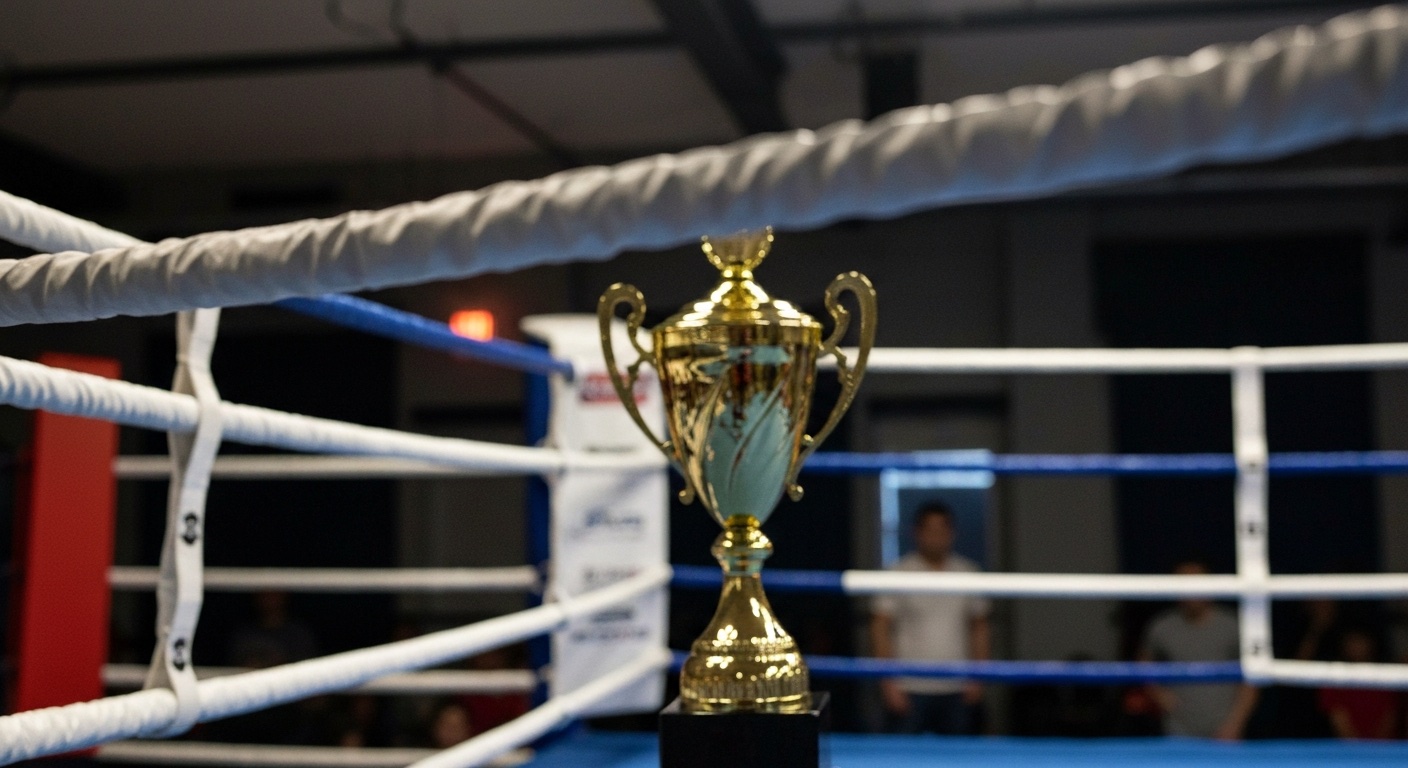
You've been training for a while. Pad work feels natural. Your sparring is improving. And now you're wondering: could I actually compete?
Here's how amateur boxing in the UK works and what separates it from the professional game.
Amateur Boxing Is Not "Beginner" Boxing
This trips people up. The word "amateur" suggests lower level. In boxing, it means something different.
Amateur boxing is the Olympic pathway. It's how fighters develop before turning professional. Many world champions spent years in the amateur system before going pro.
The difference isn't skill level. It's rule structure, fight format, and career stage.
How the Rules Differ
Amateur and professional boxing look similar but play by different rules.
- Round structure. Amateur bouts are typically three rounds of three minutes. Professional fights range from four to twelve rounds, depending on the level.
- Scoring system. Amateur boxing scores on a 10-point must system like professional, but judges emphasise clean punching technique and effective aggression. A well-placed jab scores the same as a power shot.
- Protective equipment. Amateurs wear headguards (though this has changed at elite levels) and use larger gloves. Professionals fight without headguards and often with smaller gloves.
- Stopping fights. Amateur referees tend to stop fights more quickly if one boxer is taking sustained punishment. Fighter safety is prioritised differently than in professional bouts.
The Amateur System in the UK
England Boxing governs amateur boxing in England. Scotland, Wales, and Northern Ireland have their own governing bodies.
To compete as an amateur, you need to:
- Train at an affiliated boxing club
- Get your medical passbook (record of fitness checks)
- Be registered with England Boxing
- Pass the fitness and skill assessments
Your club handles most of this process. They'll tell you when you're ready to compete and help you enter shows.
Finding Your First Fight
Amateur shows happen regularly across the UK. Your coach will find suitable opponents through the matchmaking system.

First fights are carefully matched. Organisers try to pair boxers with similar experience levels. Your opponent will likely also be having their first or second fight.
Expect to feel nervous. Everyone does. Your training will kick in once the bell rings.
What Competition Teaches You
Sparring is not fighting. Even hard sparring with good training partners doesn't fully prepare you for competition.
In the ring, everything feels different:
- The crowd changes the atmosphere completely
- Your opponent wants to win just as much as you do
- The intensity is higher than any gym session
- There's no reset button if things go wrong
This is why competition makes you better faster than just training. You learn things about yourself that only real pressure reveals.
The Professional Path
Turning professional means leaving the amateur system entirely. You sign with a promoter, get a professional boxing licence, and fight for money under professional rules.
Most professionals have significant amateur experience first. The amateur system teaches you to compete, develops your ring craft, and builds your record.
Some fighters turn pro with fewer amateur fights, but they're often playing catch-up on experience that others gained in the amateur system.
Key Differences in Fighting Style
The rule differences create different fighting approaches.
Amateur boxing rewards activity and clean scoring. Busy fighters who land lots of punches tend to win decisions. Defensive mastery matters less than work rate and variety.
Professional boxing rewards damage and ring control. You have more time to set things up, more rounds to implement a game plan, and knockouts matter more for career progression.
Many fighters need to adjust their style when transitioning from amateur to professional. The skills transfer, but the tactics change.
The Competition Calendar

Amateur boxing follows a structured season.
Regional championships lead to national championships. The best amateurs represent their country internationally. This pathway eventually leads to the Olympics for elite fighters.
Even if international competition isn't your goal, the amateur system provides regular opportunities to test yourself against matched opponents.
Professional boxing doesn't follow seasons the same way. Fights are negotiated individually, and frequency depends on your promoter, your development, and available opponents.
Age Considerations
Amateur boxing welcomes competitors across age ranges.
Youth boxing starts young, with modified rules and contact levels for different age groups. Junior categories exist for teenagers. Senior amateur boxing typically covers ages 19-40.
Masters boxing provides competitive opportunities for older fighters, usually 35+ depending on the organisation.
Professional boxing has no upper age limit in theory, but licensing bodies assess physical condition carefully. Starting a professional career later in life is unusual.
Money and Motivation
Amateur boxing doesn't pay. You compete for medals, titles, and the experience itself. Travel and entry costs often come from your own pocket or club funding.
Professional boxing pays, but the amounts vary wildly. Early professional fights might pay a few hundred pounds. Elite world title fights pay millions. Most professional boxers are somewhere in between, often not earning enough to box full-time.
Your motivation for competing matters. If you're in it for the money, professional boxing is the only path. If you want the experience of competitive boxing without needing to build a paid career, amateur boxing is perfect.
Training Intensity Changes
Once you're competing, training changes.
You'll have specific preparation camps before fights. Your sparring partners will be selected to mimic your opponent's style. Conditioning work intensifies. Diet gets stricter.

Some people love this focused intensity. Others find it takes the fun out of training. Know yourself before committing to regular competition.
Between fights, training continues but with less pressure. You're building skills rather than peaking for a specific date.
Is Competing Right for You?
Not everyone who trains boxing needs to compete. Many people train for fitness, stress relief, or just because they enjoy it. That's completely valid.
Competition suits people who:
- Want to test themselves under real pressure
- Enjoy goal-oriented training with specific targets
- Handle nerves productively rather than destructively
- Accept that losing is part of the journey
- Have time and energy for intensive preparation
Competition might not suit people who:
- Train primarily for fitness rather than fighting
- Have work or family commitments that prevent intensive training
- Experience anxiety that affects their wellbeing
- Prefer training as an escape from pressure rather than adding more
Be honest with yourself about which category you fit.
Getting Started
If you're training at a club that doesn't compete, you might need to find one that does. Not all boxing gyms produce fighters.
At H&G, we support boxers who want to compete. If that's your goal, talk to us about the pathway. We'll assess your readiness honestly and help you through the England Boxing registration process.
If you're not ready yet, that's fine. Keep training. The amateur system will still be there when you are.
Ready to Start Your Journey?
Whether you want to compete eventually or just learn to box properly, proper coaching matters.
Book a free trial with us and see what training at a real boxing gym feels like. We'll help you figure out your goals and build the skills to reach them.
H&G Team
Writer at Honour & Glory Boxing Club, a community boxing gym in Kidbrooke, South East London.
MORE LIKE THIS


WANT TO JOIN US?
Book a free trial session and see what we're all about.
Book a Free Trial