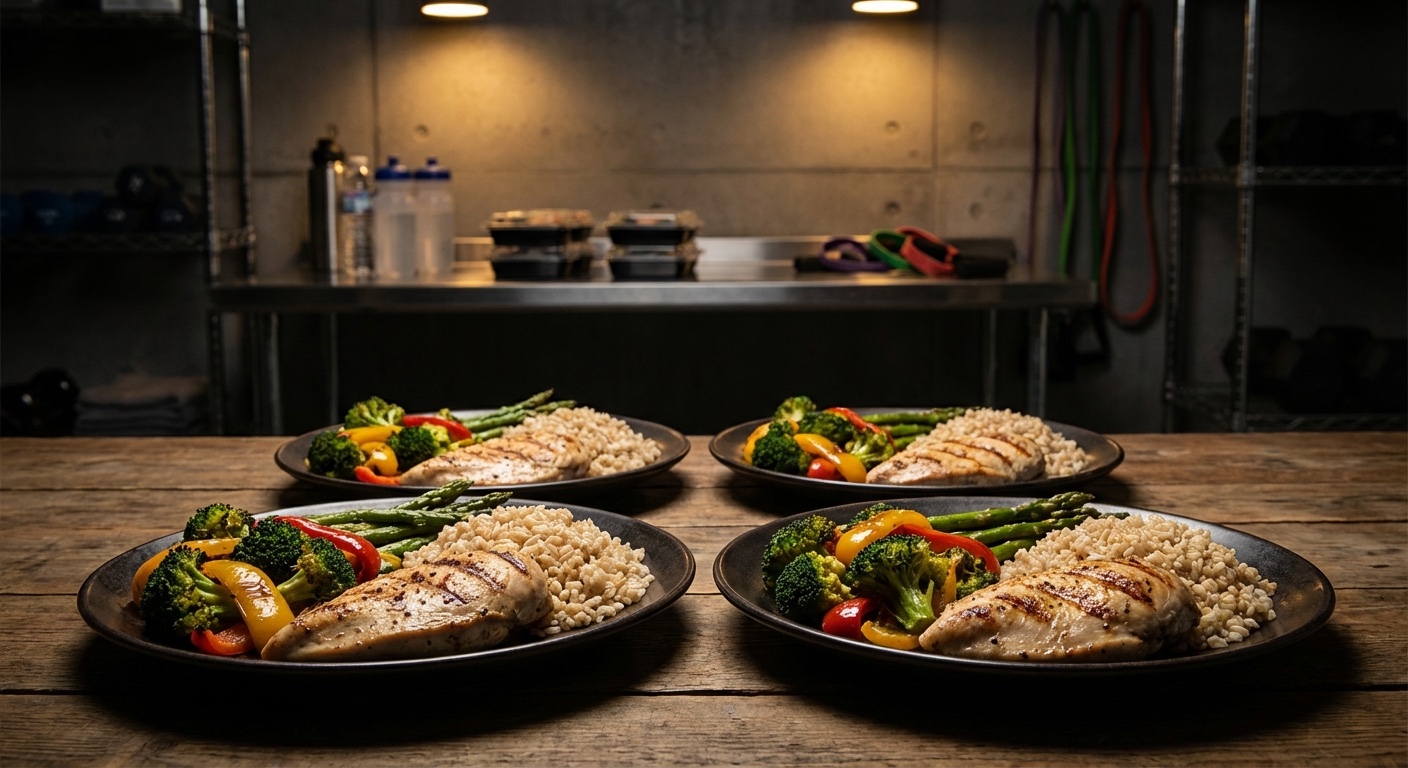
The boxing diet is nothing like what the movies show you. Rocky Balboa chugging raw eggs makes for great cinema, but it's terrible nutrition advice. Real boxers eat real food - and lots of it.
If you're training seriously, your diet needs to support intense cardio, strength work, and recovery. That means getting the right balance of protein, carbs, and fats at the right times. Not magic supplements. Not weird fads. Just solid nutrition done consistently.
The Basics of a Boxing Diet
Boxing burns a ridiculous amount of calories. A hard sparring session can torch 800-1000 calories in an hour. Heavy bag work sits around 400-600. Even shadow boxing burns 300-400 if you're doing it properly.
That means most boxers need 2,500-4,000 calories per day depending on their size, training load, and whether they're trying to gain, maintain, or lose weight.
Here's the rough breakdown that works for most fighters:
- Protein: 1.6-2.2g per kg of bodyweight
- Carbohydrates: 4-7g per kg of bodyweight
- Fats: 0.8-1.2g per kg of bodyweight
For a 75kg boxer training twice a day, that looks like:
- 120-165g protein (480-660 calories)
- 300-525g carbs (1200-2100 calories)
- 60-90g fats (540-810 calories)
- Total: 2,220-3,570 calories
What a Typical Day Looks Like
Let's break down what a boxer actually eats across a training day. This isn't a strict meal plan - it's a realistic example.
Breakfast (7am): 3 eggs scrambled with spinach, 2 slices wholemeal toast with butter, 1 banana, glass of orange juice. Roughly 550 calories, 28g protein.

Mid-morning snack (10am): Greek yoghurt with honey and berries, handful of almonds. Roughly 350 calories, 18g protein.
Lunch (12:30pm): Grilled chicken breast (200g), large portion of rice (200g cooked), mixed vegetables, olive oil dressing. Roughly 650 calories, 50g protein.
Pre-training (3pm): Peanut butter on rice cakes, banana. Roughly 300 calories, 8g protein.
Post-training (6pm): Protein shake with milk, flapjack or energy bar. Roughly 400 calories, 35g protein.
Dinner (8pm): Salmon fillet (180g), sweet potato (250g), broccoli and green beans, small side salad. Roughly 700 calories, 42g protein.
Evening snack (optional): Cottage cheese with pineapple, or casein protein shake. Roughly 200 calories, 25g protein.
Daily total: Approximately 3,150 calories and 206g protein.
The Foods You'll See in Every Boxer's Kitchen
Certain foods appear over and over in boxing nutrition because they just work:
- Chicken breast (lean, cheap, versatile)
- Eggs (complete protein, easy to cook)
- Salmon (omega-3s for recovery)
- Greek yoghurt (protein plus probiotics)
- Lean beef mince (iron for energy)
- Rice (white for quick energy, brown for sustained)
- Oats (slow release, perfect for breakfast)
- Sweet potatoes (packed with vitamins)
- Bananas (quick energy, potassium)
- Wholemeal bread (fibre and energy)
- Olive oil (heart healthy)
- Avocados (filling and nutritious)
- Nuts (calorie-dense snacking)
- Peanut butter (protein plus fats)
- Broccoli (vitamin C, fibre)
- Spinach (iron, folate)
- Peppers (vitamin C)
- Mixed salad leaves (volume without calories)
What Boxers Avoid

It's not just about what you eat. Knowing what to limit matters too.
- Fried foods (slow digestion, feel heavy)
- Alcohol (impairs recovery, dehydrates you)
- Fizzy drinks (empty calories, sugar crashes)
- Excessive processed foods (inflammation)
- Too much red meat (harder to digest before training)
Don't eliminate entirely:
Food is fuel, but it's also enjoyment. Most boxers have a treat meal once a week where they eat whatever they fancy. Total restriction leads to binge eating. A pizza on Sunday won't ruin your progress if the other 20 meals that week were solid.
Timing Matters More Than You Think
When you eat affects how you train:
2-3 hours before training: Eat a proper meal with carbs and protein. This gives you energy without feeling sick during your session.
30-60 minutes before: If you need a top-up, keep it small and simple. A banana or rice cakes work well.
Within 30 minutes after: Get protein and carbs in quickly. This is when your muscles are primed to absorb nutrients. A shake works perfectly here.
2 hours after: Eat a full meal to continue recovery.
Training on an empty stomach might sound hardcore, but you'll perform worse and recover slower. Eat properly.
The Difference Between Training and Fight Week

Everything above applies to normal training. Fight week is different.
When a boxer needs to make weight, calorie intake drops significantly. Some fighters cut 500-1000 calories per day in the final week. Water intake gets manipulated. Carbs get reduced.
This is risky stuff and should only be done with professional guidance. We've written a separate article on cutting weight for boxing that covers the details - and the dangers.
Getting Started With Your Boxing Diet
You don't need to overhaul everything overnight. Start with these basics:
- Track what you eat for a week - Most people have no idea how much they actually consume
- Hit your protein target - This is usually where people fall short
- Eat real food - If it grew or had a face, it's probably good for you
- Time your meals around training - Don't train hungry, don't train stuffed
- Stay hydrated - Aim for 2-3 litres of water daily, more when training
Want help putting this into practice? Come down to Honour & Glory for a free trial session. We'll show you what real boxing training looks like, and you can ask our coaches about nutrition in person.
Frequently Asked Questions
How many calories should a boxer eat?
Most boxers need between 2,500 and 4,000 calories per day, depending on body size, training intensity, and weight goals. Track your intake for a week to find your baseline.
Do boxers eat carbs?
Absolutely. Carbohydrates are the primary fuel for boxing training. Most boxers consume 4-7g of carbs per kg of bodyweight daily. Cutting carbs kills your energy in the ring.
Should I eat before boxing training?
Yes. Eat a meal with carbs and protein 2-3 hours before training. If you need something closer to your session, keep it light - a banana or toast works well 30-60 minutes out.
Can I build muscle while boxing?
You can, but it's harder than pure strength training. Keep protein high (1.6-2.2g per kg bodyweight) and include some resistance work alongside your boxing. Just don't expect bodybuilder-level gains.
H&G Team
Writer at Honour & Glory Boxing Club, a community boxing gym in Kidbrooke, South East London.
MORE LIKE THIS


WANT TO JOIN US?
Book a free trial session and see what we're all about.
Book a Free Trial