Boxing vs Running for Fitness - Which Cardio Workout Wins?
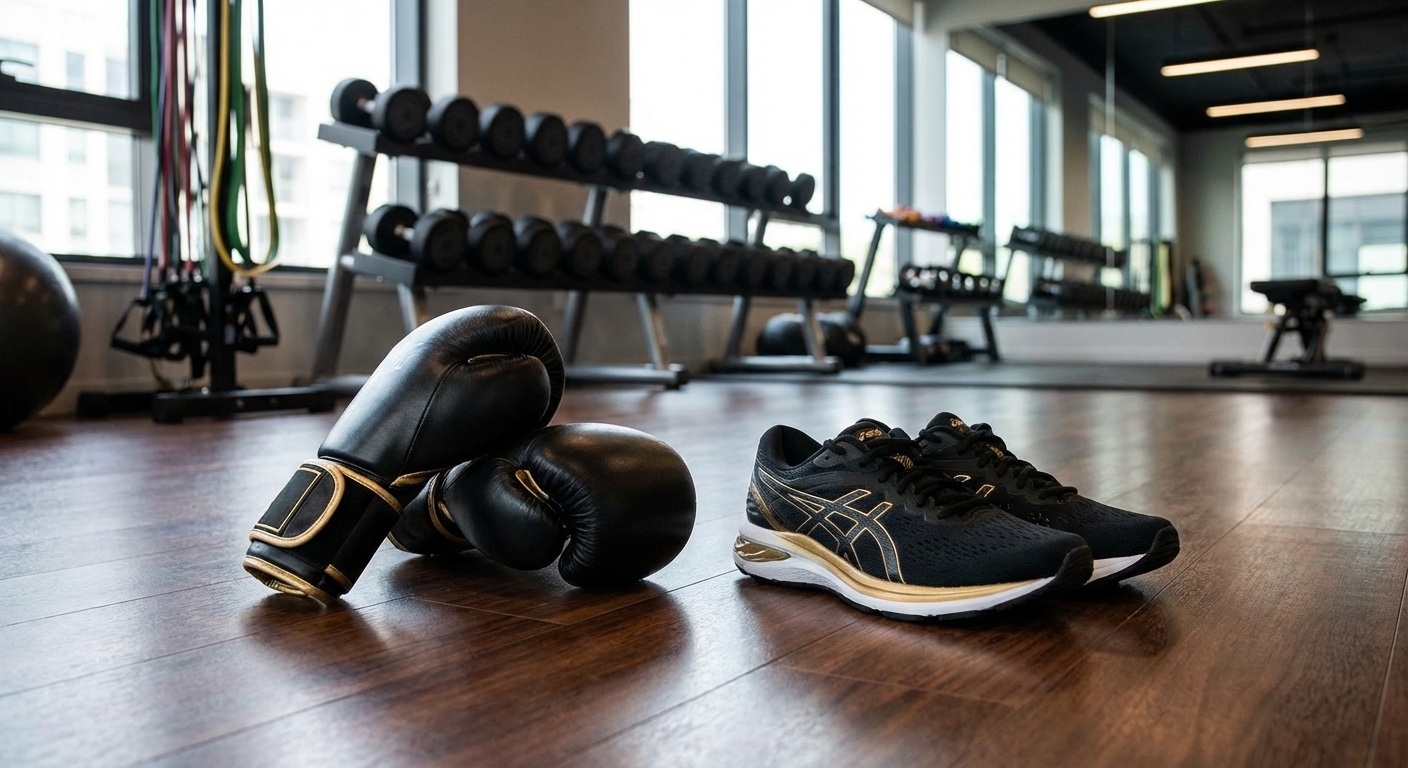
If you are trying to decide between boxing and running for your cardio fix, you are not alone. Both workouts have die-hard fans, and both can transform your fitness. But they are very different beasts - and the right choice depends on what you actually want from your training.
Let's break down the real differences, benefits, and drawbacks of each so you can make an informed decision.
The Basics - What Each Workout Offers
Running is the classic. Lace up, step outside, and go. It is simple, requires minimal equipment, and you can do it almost anywhere. Running primarily works your legs and cardiovascular system, building aerobic endurance over time.
Boxing training is more complex. You are learning skills - footwork, combinations, defence, head movement. A typical session includes bag work, pad work, skipping, shadow boxing, and conditioning drills. It engages your entire body and mixes aerobic and anaerobic training.
Calorie Burn - Which Burns More?
This is often the first question people ask. The honest answer: it depends on intensity.
- Light jogging (10 min/mile): 300-400 calories per hour
- Moderate running (8 min/mile): 500-600 calories per hour
- Fast running (6 min/mile): 700-900 calories per hour
- Bag work: 400-600 calories per hour
- Sparring: 600-800 calories per hour
- Typical class with drills: 500-700 calories per hour
The catch with running is that most people cannot sustain high intensity for long periods. You might run for 45 minutes but spend much of that at a moderate pace. Boxing sessions naturally vary in intensity - bursts of all-out effort followed by recovery periods. This interval-style training can actually be more effective for fat loss.
Full-Body Training vs Lower-Body Focus
This is where boxing pulls ahead for many people.

Running is predominantly a lower-body workout. Your legs do the work. Your core engages for stability, but your upper body is largely along for the ride. Over time, runners can develop muscular imbalances - strong legs but weak upper bodies.
Boxing is a full-body activity:
- Shoulders and arms - from punching, holding your guard, and working the heavy bag
- Core - rotation powers your punches, and you are constantly bracing
- Legs - footwork, pivoting, staying on your toes
- Back - pulling punches back, maintaining posture
A boxer's physique reflects this. You build functional strength throughout your entire body rather than just developing endurance in your legs.
Skill Development - Learning Something New
Running is a natural movement. Most people can run without instruction. There is technique to improve efficiency and reduce injury risk, but the basics are intuitive.
Boxing is a skill sport. You will spend months learning:
- How to throw proper jabs, crosses, hooks, and uppercuts
- Defensive moves like slips, rolls, and blocks
- Footwork patterns for moving in and out
- Combinations that flow together
- Ring craft and strategy
This learning curve is actually a benefit for many people. You are not just exercising - you are acquiring a new ability. Each session teaches you something. That mental engagement keeps people coming back when pure cardio workouts start feeling stale.
Mental Benefits - Stress Relief and Focus
Both running and boxing offer mental health benefits, but they work differently.
Running provides meditative, rhythmic movement. Many runners report entering a flow state, processing thoughts, and feeling calmer after a run. The solitude appeals to introverts. Running releases endorphins and can reduce anxiety and depression.
Boxing offers a different kind of stress relief - the cathartic release of hitting something. When you are on the bag, you cannot think about work stress or relationship problems. Your brain is fully occupied with the task. This forced focus acts like meditation in motion.

Boxing also builds confidence. Learning to throw a proper combination, getting better at slipping punches, seeing your skills develop - these achievements translate into self-assurance outside the gym.
Injury Risk - Staying Safe Long-Term
Running seems like the safer option, but the statistics tell a different story.
Running injuries are extremely common. Studies suggest that 50-70% of runners experience at least one injury per year. Common issues include:
- Shin splints
- Runner's knee
- Plantar fasciitis
- IT band syndrome
- Stress fractures
Running is high-impact and repetitive. You repeat the exact same motion thousands of times per session, stressing the same joints and tissues. Over time, this repetitive strain catches up with many runners.
Boxing carries different risks. Hand and wrist injuries can occur if technique is poor or you are hitting the bag incorrectly. Shoulder issues sometimes develop. If you spar, there is obviously the risk of getting hit.
However, recreational boxing - training without competition - is surprisingly low-injury. You control the intensity. There is no opponent trying to hurt you. And the varied movements mean you are not grinding the same joints into dust session after session.
The key is learning proper technique early and building up gradually.
Accessibility and Cost
Running wins on simplicity. All you need is a pair of trainers. No gym membership, no schedule, no equipment. You can run at 6am or 11pm, in your neighbourhood or while travelling. The barrier to entry is almost zero.
Boxing requires more. At minimum, you need gloves and wraps for bag work. Ideally, you want access to bags, pads, and coaching. A boxing gym membership adds cost. Sessions happen at set times.

However, once you have the basics down, you can supplement gym sessions with home training - shadow boxing, skipping, and bodyweight conditioning.
Social Aspects - Training Alone or Together
Running can be solitary. Some people love this - headphones in, world shut out, just you and the road. Others find it isolating and struggle to stay motivated training alone.
Boxing tends to be more social. You train alongside others. You work pads with partners. There is a community aspect to gym life that many people find motivating. The coaches and training partners create accountability that helps people stick with it.
This social element matters for long-term adherence. If you enjoy where you train and like the people you train with, you are far more likely to keep showing up.
Which Should You Choose?
- You value simplicity and flexibility
- You enjoy meditative, rhythmic exercise
- You want to train alone, on your schedule
- You are training for running-specific goals (5k, marathon)
- You prefer minimal equipment and cost
- You want full-body conditioning
- You enjoy learning new skills
- You prefer high-intensity interval-style training
- You want the stress relief of hitting something
- You thrive in a social training environment
- You get bored with repetitive cardio
Or do both. Many people combine running and boxing effectively. Roadwork (running) has always been part of boxing training. A morning run builds aerobic base while evening boxing sessions develop skills and power. The two complement each other well.
The Bottom Line
Running is fantastic cardio. It is simple, accessible, and proven. If you love running, keep running.
But if you find pure running dull, if you crave variety and skill development, if you want to work your whole body rather than just your legs - boxing offers something different.
The best workout is the one you will actually do consistently. For many people who struggle to stay motivated with traditional cardio, boxing provides that spark. The learning curve, the community, the satisfying thud of gloves on bag - it turns exercise into something you look forward to rather than dread.
H&G Team
The coaching and community team at Honour & Glory Boxing Club, a community boxing gym in Kidbrooke, South East London.
MORE LIKE THIS


WANT TO JOIN US?
Book a free trial session and see what we're all about.
Book a Free Trial