Counter Punching Basics: The Art of Defensive Boxing
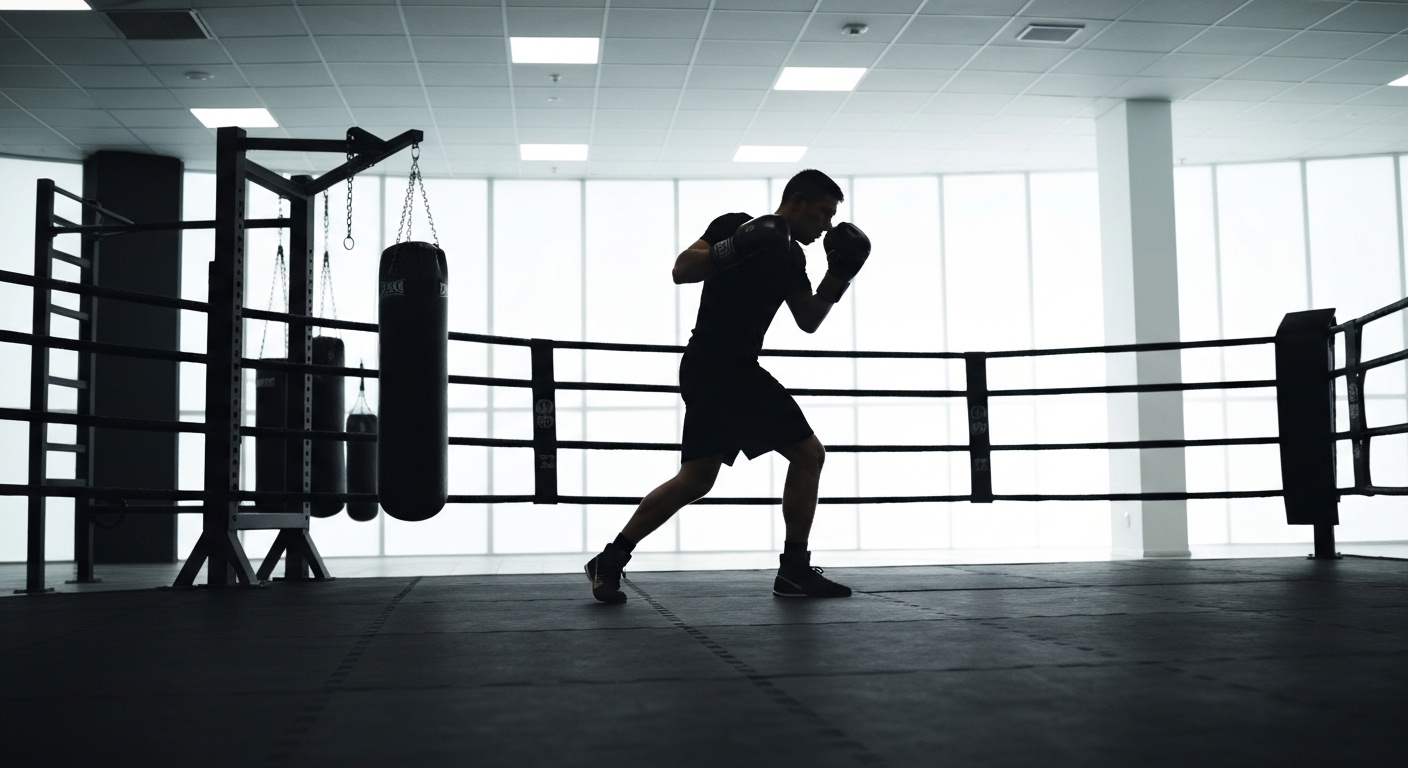
Watch Floyd Mayweather, Juan Manuel Marquez, or Canelo Alvarez at their best, and you'll see something beautiful: the ability to turn an opponent's attack against them. That's counter punching - boxing's elegant fusion of defence and offence.
Counter punching isn't just a technique. It's a philosophy of fighting. Instead of initiating, you wait for opportunities created by your opponent's aggression and punish them for it.
Here's how to develop this game-changing skill.
What Is Counter Punching?
A counter punch is a strike thrown in response to an opponent's attack. You defend their punch - by blocking, slipping, or avoiding - and immediately fire back while they're exposed.
Counter punching works because throwing a punch creates vulnerability. The attacker's guard opens, their weight shifts, and they're momentarily committed. A skilled counter puncher exploits this window.
The classic saying: "Let them miss, make them pay."
Why Counter Punching Is Effective
Physics Works in Your Favour
When someone throws a punch, they're moving toward you. When you counter, your punch meets their incoming momentum. The collision is harder than either punch would be alone.
A counter landed on someone stepping forward hits significantly harder than the same punch thrown against someone moving away.
Opponents Expose Themselves
Every attack creates an opening. A jab leaves a gap under the chin. A right cross exposes the left side. A hook pulls the opposite hand away from guard position.
Counter punchers recognise these openings and exploit them consistently.
Mental Disruption
Being countered is demoralising. Opponents become hesitant to attack, knowing punishment awaits. Their confidence drops. They become tentative and predictable.
The best counter punchers make opponents afraid to throw, which is half the battle won mentally.
Energy Efficiency
Counter punchers let opponents do the work of creating exchanges. They're not constantly initiating, chasing, or expending energy pressuring.
This can be particularly effective in longer fights where energy management matters.
Basic Counter Punching Techniques
Counter to the Jab
- Catch their jab with your rear hand
- Immediately fire your own jab over their extended arm
- Follow with the cross if they're still open

- Slip outside their jab (head moves right for orthodox fighters)
- Let their punch pass your ear
- Fire your right cross while they're extended
Why it works: Their jabbing arm is committed forward. While it's out there, they're unprotected on that side.
Counter to the Cross
- As they throw the cross, pull your head straight back
- Their punch falls short
- Fire your straight right as they're fully extended
- Slip to your left, inside their cross
- Let the punch go over your shoulder
- Throw the left hook to their exposed jaw
Why it works: The cross commits their weight forward. When it misses, they're off-balance and vulnerable to shots from the side.
Counter to the Hook
- Bend your knees as the hook comes
- Let the punch pass over your head
- Fire a hook or uppercut to the body
- Catch the hook on your forearm/glove
- Immediately return your own hook
- You're already at the right range
Why it works: Hooks are wide punches. Ducking under takes you to body-shot range where they're exposed.
Counter to the Uppercut
- Step back just enough that the uppercut falls short
- As they rise up with the missed punch, fire the cross
Why it works: The uppercut is an upward movement. When it misses, they've lifted themselves into your straight punches.
Developing the Counter Punching Mindset
Counter punching requires a different mental approach than leading. You're waiting, watching, reacting rather than initiating.
Patience
Counter punchers don't rush. They create situations where opponents feel compelled to attack, then capitalise. This requires discipline to wait rather than forcing action.
Confidence in Defence
You must trust your ability to avoid getting hit. Counter punching means letting punches come close before responding. Fear makes you bail out too early or flinch into bad positions.
Reading Opponents
Counter punchers study opponents constantly. They notice habits, tells, patterns. This information reveals when and how attacks will come.
Over time, experienced counter punchers almost know what's coming before it's thrown.
Comfort with Risk
Counter punching means being in danger to create opportunity. You're inside punching range, timing your defence precisely. There's less margin for error than avoiding exchanges entirely.

Accept that you'll get hit sometimes. That's the trade-off for the opportunities created.
Training Counter Punching
Shadow Boxing
Visualise opponents attacking. Practice your defensive movements - slips, ducks, pulls - and immediately throw counters. Don't just defend in shadow boxing; always respond offensively.
Mitt Work
Have your coach throw punches at you. Defend and counter. Start slowly with single punches, then progress to combinations.
Specific drill: Coach throws jab. You slip and counter. Coach throws cross. You slip and counter. Vary the punches randomly.
Partner Drills
- Partner throws jab, you catch and counter with jab-cross
- Partner throws cross, you slip and hook
- Partner throws hook, you duck and body shot
Start at quarter speed. Build up gradually as the movements become natural.
Sparring for Counters
Sometimes spar with specific counter-punching objectives:
- "I'm only throwing counter punches this round"
- "I'm focusing on countering the jab"
- "I'm working on pull counters to the cross"
This deliberate practice develops counter punching as a genuine skill, not just something that happens occasionally.
Common Counter Punching Mistakes
Reaching for Counters
Don't lean forward trying to land counters. Stay balanced. If you can't reach without compromising position, let the opportunity go.
Countering Everything
You don't have to counter every punch. Some attacks are better avoided entirely. Counter when you have genuine openings, not just because someone threw something.
Forgetting to Set Up
Pure counter punchers can become too passive. Opponents stop attacking if there's no threat from you. Mix in some leading punches to keep them honest and create counter opportunities.
Static Positioning
Counter punching shouldn't mean standing still waiting. Move, angle, feint - make them chase and overextend. Movement creates the situations counter punchers exploit.
Late Counters

The window for countering is small. If you throw after they've recovered their guard and balance, it's not really a counter - it's just a regular exchange.
Counter Punching Styles
Different fighters use counter punching differently:
The Pure Counter Puncher
Fighters like Juan Manuel Marquez built entire careers on waiting and countering. They create situations where opponents must lead, then exploit the openings.
Characteristics: Patient, excellent timing, willing to give up rounds waiting for opportunities, devastating when openings appear.
The Counter-Fighter
Fighters like Floyd Mayweather combine counter punching with other elements. They can lead when needed but prefer to make opponents miss and pay.
Characteristics: Versatile, can adjust tactics, uses footwork and defence to create counter opportunities, controls pace.
The Counter-Punching Pressure Fighter
Fighters like Canelo Alvarez pressure opponents while remaining excellent counter punchers. They force action and counter simultaneously.
Characteristics: Aggressive positioning, constant threat, counters off defence while pressing forward.
When Counter Punching Works Best
Counter punching is most effective when:
- Facing aggressive opponents: They create opportunities through constant attacking
- You have timing advantages: Superior reflexes or pattern recognition
- Energy management matters: Long fights where efficient boxing wins
- Opponents telegraph: Predictable attackers are easy to counter
- You have power: One clean counter can change everything
Counter punching is less effective when:
- Facing disciplined boxers: They don't overcommit or create openings
- You're behind on points: Waiting doesn't win rounds
- Opponents won't engage: Can't counter if they don't attack
- Speed disadvantage: Faster opponents close the counter window
Integrating Counters Into Your Game
You don't have to become a pure counter puncher. Most effective fighters blend leading and countering based on circumstances.
- Master one or two counters thoroughly
- Integrate them into sparring naturally
- Expand your counter arsenal gradually
- Learn when leading works better than countering
The goal is options. Sometimes you lead. Sometimes you counter. The best fighters choose appropriately.
---
H&G Team
Writer at Honour & Glory Boxing Club, a community boxing gym in Kidbrooke, South East London.
MORE LIKE THIS


WANT TO JOIN US?
Book a free trial session and see what we're all about.
Book a Free Trial