Does Boxing Help You Sleep? What Trainers Actually See
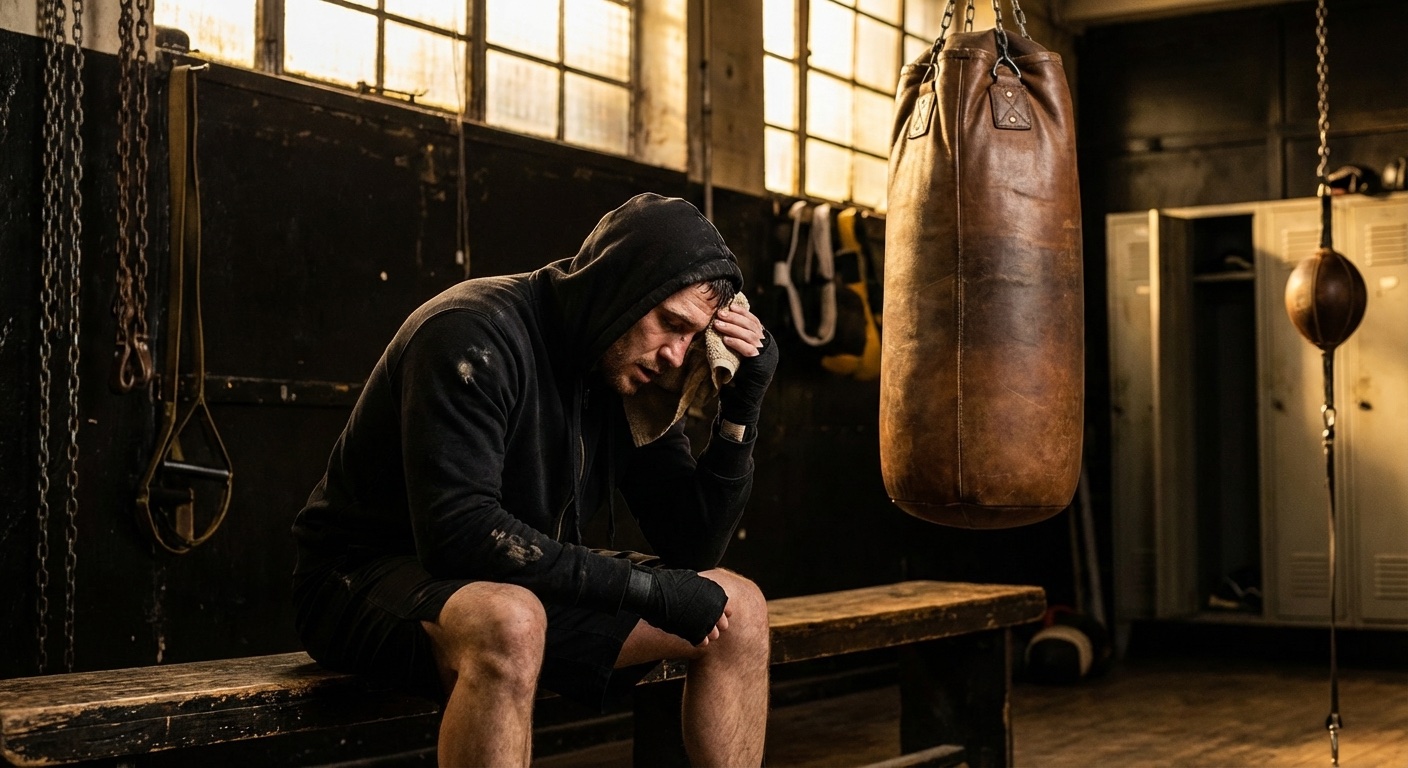
Most people start boxing for the obvious reasons. Fitness, confidence, learning to throw a proper jab. Nobody walks into a gym thinking about their sleep. But after a few weeks of consistent training, the same thing keeps coming up: "I'm sleeping better than I have in years."
It's one of those benefits that catches people off guard. And it's not just anecdotal - there are real, measurable reasons why boxing helps you sleep better.
Your body actually needs to recover
Boxing is hard work. A proper session - pad work, bag rounds, footwork drills, conditioning - puts serious demands on your cardiovascular system, your muscles, and your nervous system. Your body responds by prioritising recovery, and recovery happens during sleep.
Research published in the journal Sleep Medicine Reviews found that moderate to vigorous exercise increases the amount of slow-wave sleep you get - that's the deep, restorative phase where your body repairs tissue and consolidates memory. Boxing fits squarely into the vigorous category. After a tough session, your body isn't just tired. It's actively pulling you toward deeper sleep because it needs that recovery window.
This isn't the same as collapsing into bed exhausted after a long day at work. Mental fatigue and physical fatigue are different things. Desk work leaves your mind racing but your body restless. Boxing tires both. That combination is what makes the difference.

It burns off the stuff that keeps you awake
Cortisol - the stress hormone - follows a natural daily rhythm. It should peak in the morning and drop off through the evening. Problem is, modern life throws that rhythm off. Work stress, screens, too much coffee, not enough movement. Cortisol stays elevated, and elevated cortisol at night is one of the main reasons people lie awake staring at the ceiling.
Boxing is remarkably effective at burning through excess cortisol. The physical intensity forces your body to use it up. At the same time, training triggers a release of endorphins and serotonin, both of which help regulate mood and promote relaxation in the hours after training.
There's also the focus element. During a boxing session, you can't think about your emails or your mortgage or whatever else is bothering you. Pad work demands total concentration. That forced mental break is a form of active mindfulness, and it helps your brain shift out of the anxious loop that often carries into bedtime.
Timing matters more than people think
Here's where it gets practical. Boxing can help you sleep, but when you train matters.
Morning or lunchtime sessions tend to give the best sleep results. You get the cortisol burn early, the endorphin lift carries you through the afternoon, and by evening your body has had time to wind down naturally.
Evening training is trickier. High-intensity work within two hours of bedtime can actually delay sleep onset. Your heart rate is up, adrenaline is flowing, your core temperature is elevated - none of that is conducive to falling asleep quickly. Some people handle it fine, but if you're training at 8pm and then wondering why you're still wired at midnight, that's probably why.

At H&G, our evening classes finish with enough time for your body to come down before bed. But if sleep is something you're specifically working on, and you have the option, try shifting your training earlier in the day for a few weeks and see what happens.
The routine effect
One thing that often gets overlooked is how boxing creates structure. Regular training at set times gives your week a rhythm. You eat at more consistent times because you're training. You hydrate properly because you have to. You go to bed at a reasonable hour because you've got a session tomorrow morning.
Sleep science is clear on this: consistency is more important than duration. Going to bed and waking up at roughly the same time, even on weekends, is one of the strongest predictors of good sleep. Boxing doesn't force you into this, but it nudges you there. When you're training three or four times a week, late nights stop being appealing pretty quickly.
What we see at the gym
We've had members come to us specifically because their GP suggested exercise for insomnia. Not boxing specifically - just any regular physical activity. But the ones who stick with boxing tend to report better results than those who tried running or gym circuits alone.
Part of it is the intensity. Part of it is the mental engagement. And part of it, honestly, is that boxing is more interesting than a treadmill. People actually look forward to it, which means they show up consistently, which means the benefits compound.

One member told us he'd been taking sleeping tablets for three years. After about six weeks of training twice a week, he stopped needing them. That's not medical advice - everyone's situation is different - but it's the kind of thing we hear regularly.
A few practical tips
If you're boxing partly to improve your sleep, a few things worth trying:
Avoid caffeine after about 2pm on training days. The combination of exercise-induced alertness and caffeine can backfire in the evening.
Do some light stretching after your session. Five minutes of stretching and controlled breathing helps shift your nervous system from fight-or-flight into recovery mode.
Keep your bedroom cool. Your core temperature drops during sleep, and post-exercise, your body is already warm. A cooler room helps that process along.
Don't eat a massive meal right after a late session. A light snack with protein is fine, but a full dinner at 9pm will keep your digestive system active when it should be slowing down.
It's not a cure-all
Boxing won't fix chronic insomnia caused by underlying medical conditions. If you've been struggling with sleep for a long time, see your GP. But for the vast majority of people whose sleep has just gradually got worse - too much screen time, not enough physical activity, stress that never fully switches off - boxing addresses most of those factors in a single session.
You train hard. You focus completely. You burn off the day's tension. And then you sleep like you haven't slept in months. It's not complicated, but it works.
If you're in the Kidbrooke or Greenwich area and want to give it a go, our timetable is on the website. First session is always a trial - no commitment, no pressure. Just come and hit some pads. Your pillow will thank you later.
H&G Team
Writer at Honour & Glory Boxing Club, a community boxing gym in Kidbrooke, South East London.
MORE LIKE THIS


WANT TO JOIN US?
Book a free trial session and see what we're all about.
Book a Free Trial