First Time Sparring? Here's What You Actually Need to Know
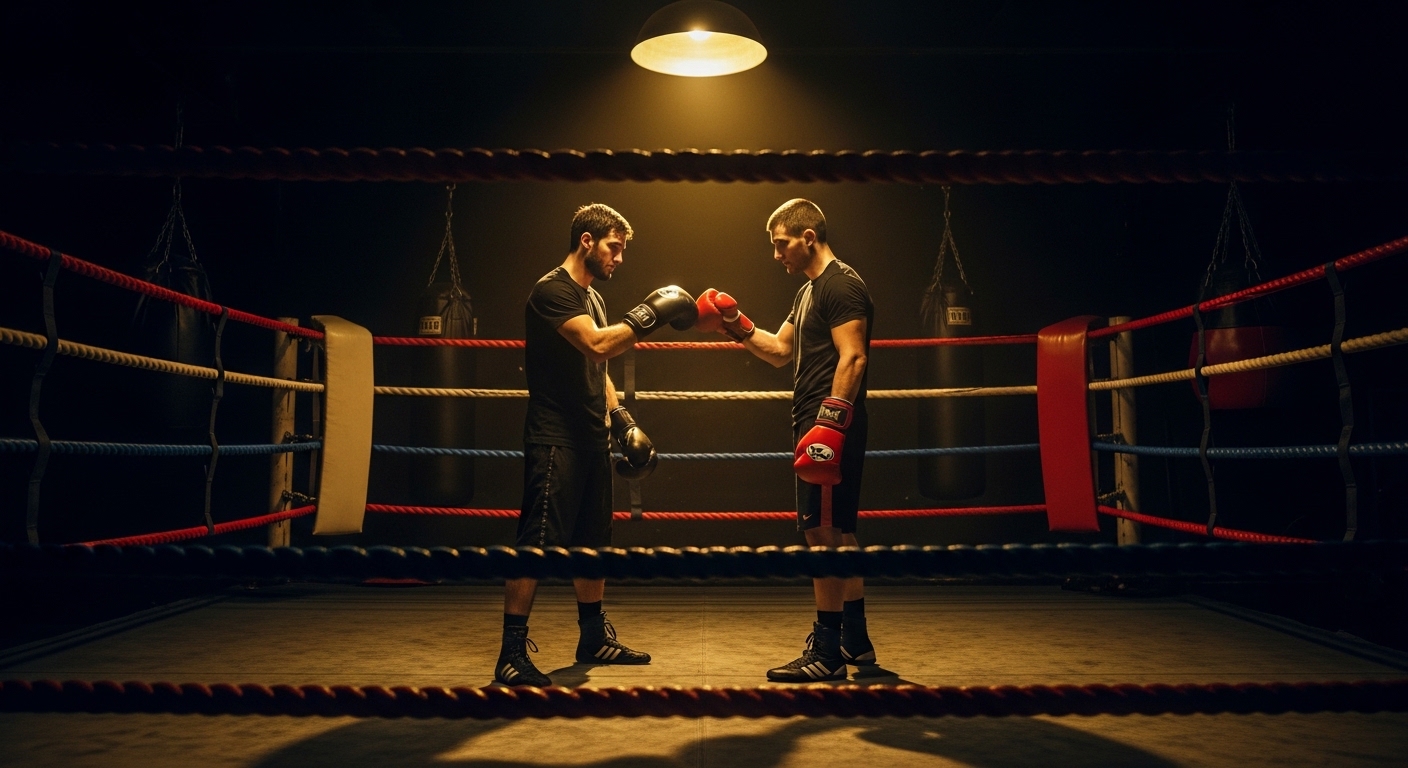
Your first time sparring will probably be nothing like you expect. Most people build it up in their heads for weeks - imagining some bruising war where they'll get battered - and then the reality is closer to an awkward dance where both of you forget everything you've learned.
That's normal. Everyone goes through it.
At Honour & Glory in Kidbrooke, we don't throw beginners into sparring until they're ready, and even then, we ease them in gently. But knowing what to expect beforehand makes the whole thing less daunting. So here's an honest rundown of what first time sparring actually looks like, and how to get the most from it.
You're not ready as soon as you think
There's a temptation after a few weeks of pad work to start eyeing up the ring. Resist it. You need a solid foundation before sparring teaches you anything useful. If your guard drops every time you throw a right hand, or you're still thinking about where your feet should be, you'll just develop bad habits under pressure.
A rough minimum? Two to three months of consistent training. You should be comfortable throwing basic combinations, moving your head off the centre line, and keeping your hands up without thinking about it. Your coach will tell you when you're there - trust them on this.

Pick the right partner
This matters more than anything else. Your first sparring partner should be someone experienced enough to control themselves. A fellow beginner sounds fair on paper, but two nervous people in a ring tend to escalate quickly because neither knows how to regulate the pace.
The best scenario is sparring with someone more skilled who can work at your level. They'll give you looks, let you work, and won't punish every mistake. At H&G, coaches match people carefully for exactly this reason.
If your partner starts going harder than agreed, say something. Or just stop. There's no shame in it. Sparring only works when both people respect the agreement.
Breathe - seriously
This sounds too obvious to mention, but nearly every beginner holds their breath when they spar for the first time. You won't notice you're doing it until you're gasping after 45 seconds and wondering why your legs feel like concrete.
Exhale sharply on every punch. Breathe in through your nose between exchanges. If you catch yourself tensing up and holding air, reset: drop your shoulders, take a breath, and start again. Tony Jeffries, the Olympic bronze medallist, has said this is the single most common mistake he sees in beginners. He's right.

Go slower than you want to
Your instinct will be to go fast and hard. Fight that instinct. Light sparring - what most gyms call "technical sparring" - is where you actually learn. You can think about what you're doing, try things, and recover from mistakes without getting hurt.
Hard sparring has its place later on, once you've built up experience and your defensive reactions are more automatic. But in those first sessions, speed and power should be maybe 30-40% of what you're capable of. If you're breathing hard after the first round, you went too hard.
The best sparring sessions feel more like a conversation than a fight. You throw something, they respond, you adjust. Back and forth. When it clicks, it's one of the best feelings in boxing.
Expect to forget everything
You've been drilling the jab-cross for months. You can do it perfectly on the pads. Then someone's standing in front of you with gloves on and suddenly you're arm-punching with your chin in the air.
This happens to literally everyone. The jump from controlled drills to a live opponent is massive. Your brain has to process so much new information - someone moving, feinting, actually hitting back - that your trained responses temporarily short-circuit.
Don't get frustrated. Each round, you'll remember a bit more. After a few sessions, those drilled techniques start coming back. After a few months, they start feeling natural.
What to wear and bring
You'll need your own gumshield - no exceptions. Most gyms provide headguards and bigger sparring gloves (16oz typically), but check beforehand. Wear your usual training gear, and bring a water bottle. Some people like to bring a small towel.
If you wear glasses or contact lenses, contacts are fine for sparring but glasses obviously aren't. And take off any jewellery, watches, piercings - anything that could catch or cut.

After the round
When you finish, touch gloves with your partner and thank them. This is proper gym etiquette everywhere, and it matters. Sparring is a cooperative exercise - someone just helped you learn by letting you hit them (and hitting you back). That deserves respect.
Then talk to your coach. Ask what you did well and what you need to work on. Be honest about how it felt. If it was too hard, say so. If you froze up, say that too. Your coach has seen it all before and they'll know how to adjust your next session.
It gets better fast
The first round of sparring is the hardest thing you'll do in boxing. The second is easier. By your fifth or sixth session, you'll start to relax and actually enjoy it. That's when the real learning begins.
At H&G, we run structured sparring sessions where beginners and experienced boxers work together in a controlled environment. Nobody gets thrown in at the deep end. If you've been training for a while and you're thinking about taking that next step, talk to one of the coaches. We'll make sure your first time sparring is tough enough to learn from, but safe enough to come back for more.
H&G Team
Writer at Honour & Glory Boxing Club, a community boxing gym in Kidbrooke, South East London.
MORE LIKE THIS


WANT TO JOIN US?
Book a free trial session and see what we're all about.
Book a Free Trial