Fitzroy Lodge Boxing Club: South London's Historic Gem
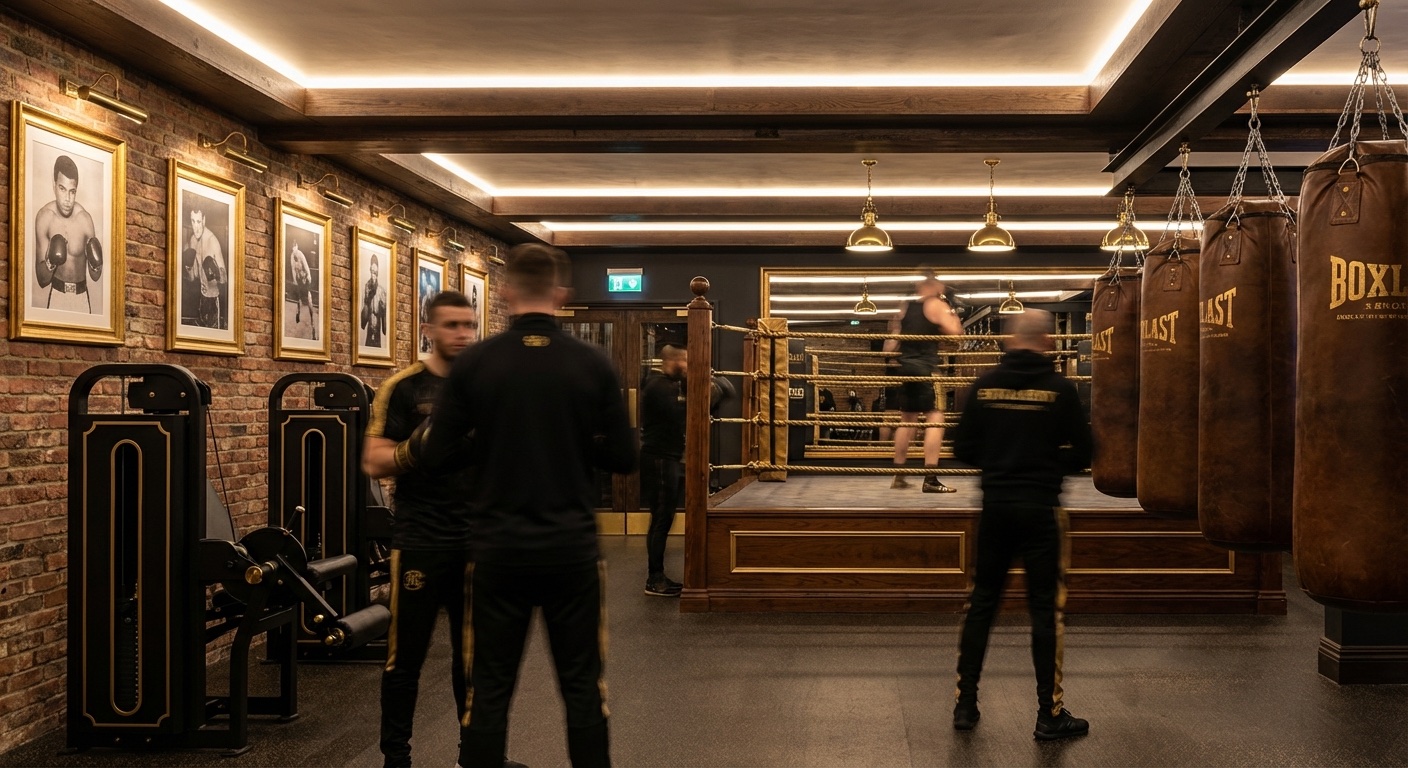
Tucked under a railway arch near Lambeth Bridge, you'll find one of London's most storied boxing institutions. The entrance is unremarkable - graffitied brick, a bold "FL" logo above the door. But step inside Fitzroy Lodge and you're walking into 115 years of amateur boxing history.
Since 1908, this charity-run club has been transforming lives through boxing. It's produced world champions, trained Olympic medallists, and provided structure for thousands of young South Londoners who needed it most.
The History of Fitzroy Lodge
Origins: A Doctor's Vision
Fitzroy Lodge was founded in 1908 by Dr Lionel Baly, a surgeon at nearby St Thomas's Hospital. His mission was to "encourage and provide facilities for athletic sports and physical recreation, among persons of the poorer classes."
That was Edwardian language for what the club still does today: give working-class young people access to quality sport and the discipline that comes with it.
The original Lodge was housed in a gym with three rings in Walcot Square, Kennington. It became a focal point for amateur boxing in South London, building a reputation for producing skilled, well-coached fighters.
Surviving the Blitz
During World War Two, incendiary bombs destroyed much of the surrounding area. The original Fitzroy Lodge gym was lost, and the club temporarily merged with The Lynn ABC to survive the war years.
In 1946, Fitzroy Lodge found its current home - the railway arch on Lambeth Road. The space has been refined over the decades, but it retains the character that makes traditional boxing gyms special.
Modern Era
Today, Fitzroy Lodge remains a registered charity run entirely by volunteers. No one gets paid. The coaches, committee members, and organisers all give their time freely because they believe in what the club does.
Recent renovations have improved the facilities while maintaining the gym's essential character. The club continues to balance competitive boxing with community service, welcoming anyone who wants to learn.
Famous Boxers from Fitzroy Lodge
David Haye

Perhaps the most famous boxer to come through Fitzroy Lodge is David Haye. The Hayemaker developed his fundamentals at the Lodge before becoming a unified cruiserweight world champion and WBA heavyweight world champion.
Haye's explosive power and hand speed made him one of Britain's most exciting fighters. His success showed what Fitzroy Lodge coaching could produce at the highest professional level.
Other Notable Fighters
The Lodge has produced numerous national champions, international representatives, and professional fighters over its history. Many top amateur boxers in the London scene have trained under the railway arch at some point in their careers.
What Makes Fitzroy Lodge Special
The Volunteer Model
Everything at Fitzroy Lodge runs on volunteer labour. The coaches aren't in it for money - they're in it because boxing changed their lives and they want to pass that forward.
This creates a particular atmosphere. There's no commercial pressure, no upselling, no fancy marketing. Just boxing, taught properly, by people who genuinely care about the sport and its participants.
The Community Focus
The club's founding mission - serving "persons of the poorer classes" - remains central to its identity. Fitzroy Lodge keeps its fees low to ensure access. The surrounding Lambeth and Kennington area has always had areas of significant deprivation, and the club has consistently served those communities.
Boxing provides discipline, confidence, fitness, and community. For young people lacking those things, a club like Fitzroy Lodge can be transformative.
Technical Quality
Don't mistake the volunteer model for amateur coaching. Fitzroy Lodge has produced world-class fighters because it provides world-class technical instruction.
The coaching lineage at the Lodge runs deep. Knowledge gets passed down through generations - proper stance, footwork fundamentals, defensive responsibility, technical soundness before power.
The Physical Space

Training under a railway arch has a certain romance. The rumble of trains overhead, the brick walls, the utilitarian equipment - it strips away everything unnecessary and leaves just the work.
Modern gyms spend fortunes on creating "atmosphere." Fitzroy Lodge has it naturally, forged over a century of boxers sweating in the same space.
Fitzroy Lodge vs Other London Clubs
Location
For South Londoners, Fitzroy Lodge offers an alternative to the famous East End gyms like Repton. You don't have to cross the river to find authentic boxing coaching.
The Lodge is easily accessible from Lambeth North, Waterloo, and surrounding areas. If you live or work in central/south London, it's a realistic option for regular training.
Approach
Like other traditional amateur clubs, Fitzroy Lodge focuses on proper boxing development. This isn't boxing-themed fitness - it's learning to box, with the potential pathway to competition if you want it.
The club welcomes complete beginners, but the expectation is that you're there to learn the sport properly. If you just want to hit bags to loud music, a boutique fitness studio might suit you better.
Cost
As a charity, Fitzroy Lodge keeps membership affordable. The exact fees vary, but they're typically much lower than commercial gyms or boutique studios.
How to Join Fitzroy Lodge
The club welcomes new members but operates differently from a commercial gym. You can't just book a session online and turn up.

Contact the club directly, attend during open sessions, and introduce yourself properly. Traditional boxing clubs value manners and respect - approaching them correctly matters.
Be prepared to demonstrate commitment. These clubs have limited space and coaching resources. They invest in people who show they're serious about learning.
Finding Quality Boxing in South East London
Fitzroy Lodge sits in central/south London - excellent for some, less convenient for others. If you're in South East London, particularly the Greenwich, Kidbrooke, or Blackheath areas, travelling to Lambeth for every session may not be realistic.
That's one reason we established Honour & Glory in Kidbrooke. We wanted to bring the same authentic boxing experience - proper coaching, real skill development, welcoming community - to South East London.
We're not a 115-year-old institution. But we share the same values as clubs like Fitzroy Lodge: believing that boxing should be accessible, that technique matters, and that the gym should genuinely serve its members.
The Value of Traditional Boxing Clubs
In an era of boutique fitness studios and boxing-themed workout classes, traditional clubs like Fitzroy Lodge remain essential.
They're where boxing actually gets taught. Where the techniques, traditions and values of the sport get passed from one generation to the next. Where young people can find discipline and direction.
These clubs deserve support and recognition. They operate on tight budgets with volunteer labour, doing work that makes communities better.
If you have access to a club like Fitzroy Lodge, consider yourself fortunate. If you don't, look for alternatives that share those values - proper coaching, community focus, genuine respect for the sport.
Conclusion
Fitzroy Lodge represents everything great about amateur boxing in Britain. For over a century, it's been teaching the sport properly, serving its community, and producing fighters who do the club proud.
Whether you end up training at the Lodge, at another traditional club, or at a modern gym like ours, the principles remain the same. Learn the basics properly. Respect the sport and your training partners. Put in the work.
---
H&G Team
Writer at Honour & Glory Boxing Club, a community boxing gym in Kidbrooke, South East London.
MORE LIKE THIS


WANT TO JOIN US?
Book a free trial session and see what we're all about.
Book a Free Trial