How to Hold Boxing Pads: A Proper Guide for Beginners
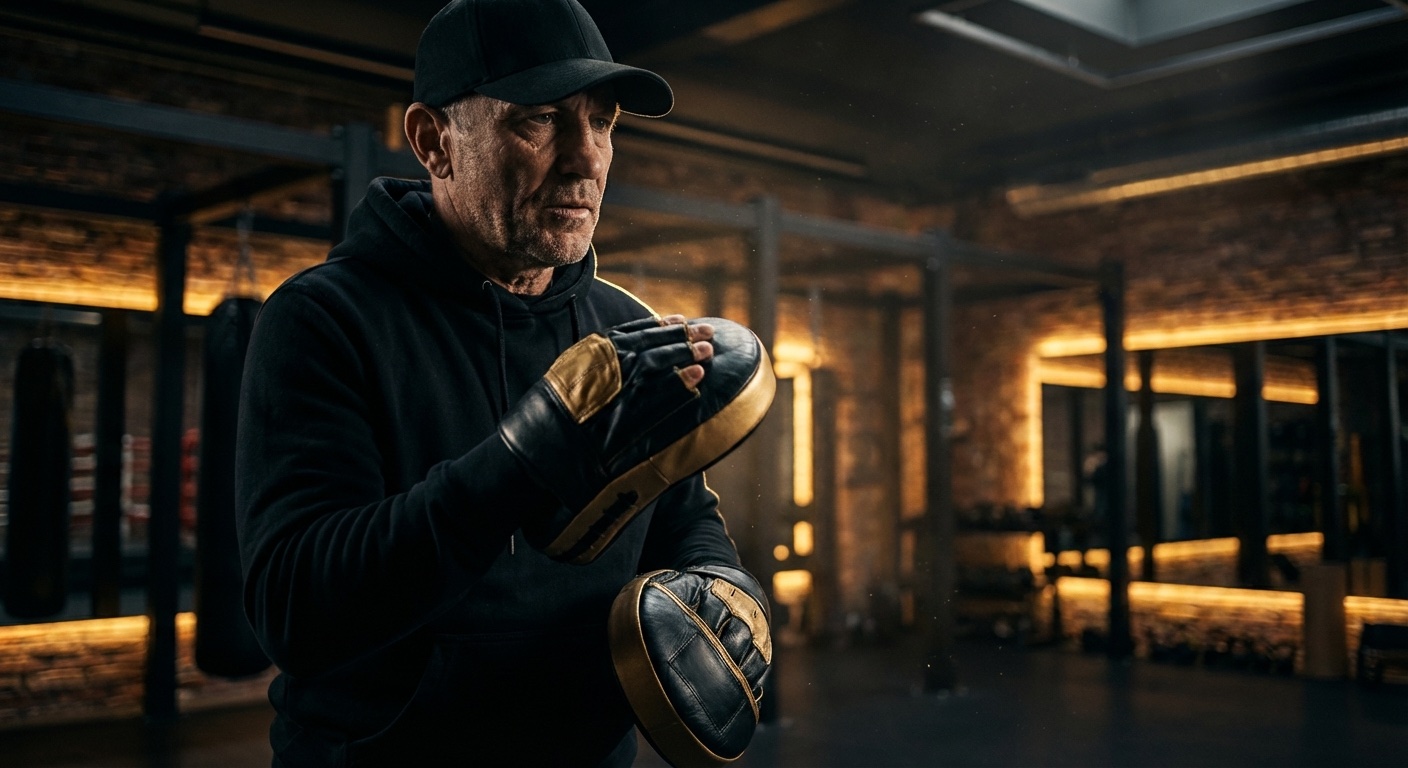
Nobody teaches you how to hold boxing pads. You get handed a pair of focus mitts, told to put them on, and left to figure it out while someone throws punches at your face. It is one of the most overlooked skills in boxing, and bad pad holding ruins training for everyone involved.
At H&G in Kidbrooke, coaches spend years learning to hold pads well. But you do not need to be a coach to do it properly. Whether you are helping a mate train or working through partner drills in class, these basics will make a real difference.
Why pad holding matters more than you think
The person holding pads controls the session. They set the pace, the angles, the timing. A good pad holder makes a boxer look sharp. A bad one turns the whole thing into an awkward mess of missed targets and jarred wrists.
Think about it from the puncher's perspective. If the pads are too high, they are reaching. Too low, they are dropping their hands. Moving around unpredictably, they cannot find their range. Holding pads well is not a passive job. You are basically coaching with your hands.

Get your grip right first
Most beginners grab the pad handle and squeeze tight with their thumb tucked underneath. This is how you hurt your thumb. Use a monkey grip instead - all five fingers wrapped over the top of the handle, thumb sitting alongside your index finger rather than curled inside.
Keep your grip firm but not white-knuckled. You want enough tension to absorb the impact without the pads flying off, but not so much that your forearms cramp up after two rounds.
Your wrists should stay straight and braced. Bent wrists absorb impact badly and you will feel it the next morning. Lock them in a neutral position and let your shoulders and core do most of the shock absorption.
Where to position the pads
Here is where most people go wrong. They hold the pads wherever feels comfortable for them, rather than where the puncher needs them.
For straight punches like the jab and cross, hold the pads at your partner's chin height. Not your chin height - theirs. The pads should sit about shoulder-width apart, angled slightly inward so the punching surface faces your partner. Too wide and they will be reaching across their body. Too narrow and their hands collide.
For hooks, turn the pad so the flat surface faces inward, roughly at your partner's temple height. The classic mistake is holding hooks too far away. Hooks are short-range punches. Bring the pad in closer than you think you need to.
For uppercuts, flip the pad face-down so the punching surface points at the floor. Hold it at about your partner's chest height. They should be driving upward into the pad, not reaching forward.

Meet the punch - do not just stand there
This is the single biggest difference between decent pad holders and useless ones. When a punch comes in, push the pad slightly toward it. A small, firm counter-movement. Maybe two or three inches.
You are not swinging at the punch. You are giving it something solid to land on. When you do this right, you hear that sharp crack that sounds like a proper shot. When you just hold the pads still, punches land flat and dead. No feedback, no satisfaction, no way to tell if the technique was any good.
The timing takes practice. Start by watching your partner's shoulder. When it moves, you move. After a few rounds it becomes instinct.
Stay in a proper stance
Do not stand square-on with your feet together. You will get pushed around by every cross and lose your balance on hooks. Stand in a basic boxing stance - one foot forward, one back, knees slightly bent, weight balanced.
This gives you a stable base to absorb punches and lets you move naturally. You can step back to create range, angle off to the side, or close the distance. You are basically a moving target that reacts, not a statue holding dinner plates.
Call the shots clearly
If you are running combinations, call them before you set the pads. Say "jab-cross" and then put your pads in position. Do not put the pads up and expect your partner to guess what you want. And do not call shots while the combination is happening - by the time they process what you said, the moment has passed.
Keep it simple to start. Jab. Cross. Jab-cross. Hook. Build combinations gradually as your partner warms up. Three-punch combinations before you try anything longer. The point is rhythm and accuracy, not complexity.
At H&G, our coaches often use numbers: 1 for jab, 2 for cross, 3 for lead hook, 4 for rear hook, 5 for lead uppercut, 6 for rear uppercut. If you train regularly with someone, agree on a numbering system. It speeds everything up.

Common mistakes to avoid
Flinching. If you close your eyes every time a punch comes, you cannot give proper feedback. Start with lighter punches until you are comfortable, then build up.
Chasing the punch. Do not swing your pads forward to meet hooks or uppercuts with big sweeping motions. Small, controlled counter-movements only. Big swings throw off timing and risk clipping your partner.
Forgetting to breathe. Exhale sharply when each punch lands, same as the puncher does. It keeps you engaged and helps you absorb impact through your core rather than just your arms.
Going too long. Holding pads is tiring. Your shoulders burn, your concentration drops, your pad positioning gets sloppy. Three-minute rounds with a minute rest between them. Same as boxing rounds. Swap after three or four rounds so both of you get to work.
Standing in one spot. Move. Circle. Step back after combinations. Make your partner follow you. Static pad work builds bad habits because real opponents do not stand still.
The bottom line
Learning how to hold boxing pads properly is worth the effort. Your training partner gets better sessions. You develop an understanding of distance, timing, and angles that carries over into your own boxing. And honestly, good pad work is fun. There is a rhythm to it that clicks once you get the basics down.
Next time someone hands you the mitts, remember: grip over the top, pads at their height, meet the punch, stay balanced, and keep moving. That is ninety percent of it. The rest comes with reps.
H&G Team
Writer at Honour & Glory Boxing Club, a community boxing gym in Kidbrooke, South East London.
MORE LIKE THIS


WANT TO JOIN US?
Book a free trial session and see what we're all about.
Book a Free Trial