How to Prevent Boxing Injuries - Hands, Wrists, Shoulders and More
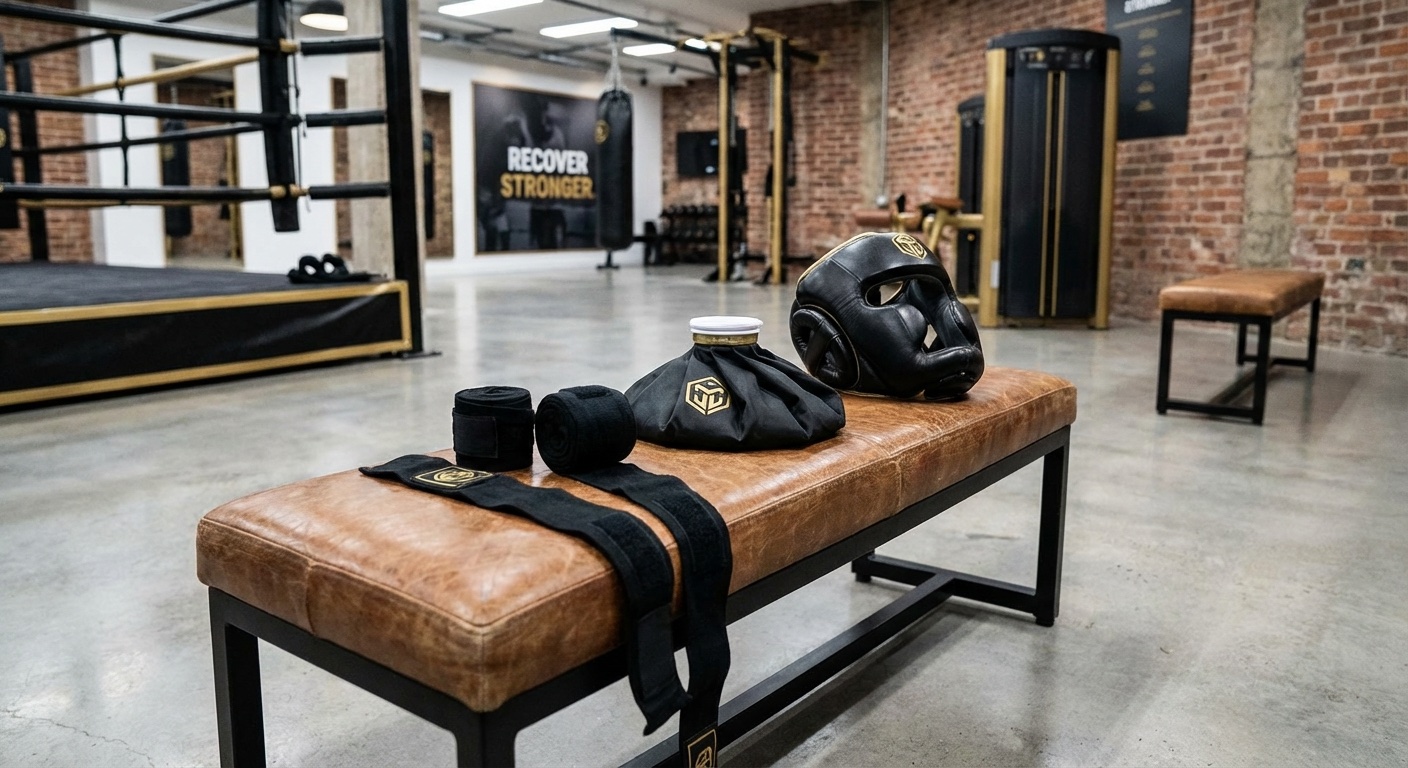
Boxing is physically demanding. You are throwing hundreds of punches per session, absorbing impact, moving constantly, and pushing your body hard. Injuries can and do happen.
But most boxing injuries are preventable. With proper technique, appropriate equipment, smart training, and attention to warning signs, you can train for years without serious problems.
Here is how to protect yourself.
Hand and Wrist Injuries
Your hands are your primary weapons - and your most vulnerable point. Studies show that hands and wrists are the most commonly injured area in boxing, accounting for over 30% of all boxing injuries.
Common problems:
- Boxer's fracture (fifth metacarpal)
- Wrist sprains
- Metacarpophalangeal joint damage
- Carpal instability
Prevention Strategies
Wrap your hands properly. This is non-negotiable. Hand wraps provide support for the small bones in your hand, stabilise your wrist, and add cushioning for impact.
Key wrapping points:
- Cover the knuckles adequately (2-3 layers)
- Create a firm pad across the back of the hand
- Lock the wrist in a neutral position
- Not so tight that circulation is restricted
If you do not know how to wrap properly, ask a coach to show you. There are variations, but the principles are consistent.
Use appropriate gloves. Heavier gloves (14-16oz) provide more protection for bag work and sparring. Lighter gloves may look cool but offer less cushioning.
Make sure gloves fit properly - too loose and your hand moves inside; too tight and blood flow is restricted. Replace gloves when the padding compresses or breaks down.
Hit with proper technique. The most common cause of hand injuries is poor punching form:
- Land with the first two knuckles (index and middle finger)
- Keep your wrist straight on impact
- Do not overextend punches
- Avoid wild swinging hooks that contact with the side of the fist
The fist should be tight on impact, wrist in line with the forearm. Any deviation loads stress onto vulnerable structures.
Strengthen your hands and wrists. Strong muscles and tendons protect joints. Include wrist and grip work in your training:
- Wrist curls (flexion and extension)
- Farmer's carries
- Squeezing a tennis ball
- Rice bucket exercises
- Push-ups on your fists (on soft surface)
Progress gradually. Do not jump straight into heavy bag work if you are new. Start with shadow boxing, then light bag work, building intensity over weeks. Your hands need time to adapt to impact.
Shoulder Injuries
Your shoulders work constantly in boxing - throwing punches, holding your guard up, absorbing impact through pad work. Rotator cuff problems, impingement, and chronic shoulder pain are common.
Prevention Strategies

Warm up your shoulders properly. Before every session:
- Arm circles (both directions)
- Band pull-aparts
- Shoulder rotations
- Light shadow boxing
Cold shoulders are vulnerable shoulders.
Maintain shoulder mobility. Tight pecs and lats pull your shoulders forward into a compromised position. Regular stretching of the chest and upper back keeps your shoulders in better alignment.
Strengthen the rotator cuff. These small stabilising muscles often get overpowered by the larger deltoids and pecs. Specific rotator cuff exercises should be part of your routine:
- External rotation with band or light weight
- Face pulls
- Prone Y raises
Do these regularly, not just when something hurts.
Do not neglect your back. Boxing is very push-dominant. All those punches develop your pressing muscles while the pulling muscles lag behind. This imbalance creates shoulder problems.
Include pulling exercises:
- Rows (any variation)
- Pull-ups or lat pulldowns
- Rear delt work
Balance your push-to-pull ratio in overall training.
Watch your technique. Overreaching on punches, throwing with a tense shoulder, or keeping your guard too high for too long all stress the shoulder. Work with coaches to develop efficient technique that does not overtax this joint.
Knee and Ankle Issues
Boxing footwork involves constant pivoting, bouncing, and directional changes. This loads your knees and ankles in ways that can cause problems over time.
Prevention Strategies
Wear proper footwear. Boxing boots provide ankle support and grip. Training in running shoes or barefoot increases injury risk. If you cannot afford boxing boots, flat-soled shoes with good lateral support are acceptable.
Strengthen your legs. Strong quadriceps, hamstrings, and calves absorb force better. Include in your training:
- Squats (bodyweight or loaded)
- Lunges
- Step-ups
- Calf raises
- Single-leg balance work
Develop ankle stability. Many people have chronically weak ankles from too much sitting and shoe wearing. Improve ankle stability with:
- Single-leg balance drills
- Wobble board work
- Ankle circles
- Calf and anterior tibialis strengthening
Learn proper pivoting. Twisting on a planted foot with poor technique stresses the knee. Work with coaches on footwork mechanics.

Warm up your lower body. Leg swings, hip circles, and light bouncing prepare your joints for the demands of training.
Neck Issues
Keeping your chin tucked and head movement during boxing creates neck strain. The muscles must work constantly to protect your head.
Prevention Strategies
Strengthen your neck. Direct neck strengthening reduces injury risk:
- Neck bridges (careful progression)
- Resistance band neck work
- Isometric holds
Start conservatively - the neck is sensitive to overloading.
Maintain good posture outside training. Hours hunched over a phone or computer creates neck dysfunction that boxing then aggravates. Work on your overall posture.
Do not overtense. While your neck should be engaged to protect your chin, excessive tension causes fatigue and strain. Find the balance between protected and relaxed.
General Injury Prevention Principles
Beyond specific body parts, some principles apply to preventing all boxing injuries:
Warm Up Properly
Every session should start with 10-15 minutes of progressive warm-up:
- Light cardio to raise temperature
- Dynamic stretching
- Shadow boxing at increasing intensity
Never hit the bag or pads cold.
Progress Gradually
Most injuries come from doing too much too soon. Whether you are new to boxing or returning after a break:
- Start with lower intensity
- Increase volume gradually
- Listen to your body's signals
The excitement of new training often leads to overreaching. Experienced coaches control this progression.
Train Fresh
Fatigue dramatically increases injury risk. When you are exhausted, form breaks down, reactions slow, and accidents happen.
- Get adequate sleep (7-9 hours)
- Allow rest days between hard sessions
- Back off when you are feeling run down
- Do not train through illness
Listen to Warning Signs

Pain is information. Sharp pain during training, persistent dull aches, or discomfort that does not resolve should not be ignored.
Address minor issues before they become major problems:
- Rest the affected area
- Apply ice for acute inflammation
- See a physiotherapist or sports medicine professional if problems persist
Pushing through pain usually makes injuries worse and extends recovery time.
Use Recovery Practices
Proper recovery reduces injury risk over time:
- Cool down with light movement and stretching after training
- Stay hydrated
- Eat adequate protein for tissue repair
- Get quality sleep
- Consider foam rolling or massage for chronically tight areas
Get Proper Coaching
Perhaps the most important injury prevention strategy: work with qualified coaches.
Good coaches:
- Teach technique that minimises injury risk
- Control progression appropriately for your level
- Watch for form breakdown during fatigue
- Correct bad habits before they cause problems
- Know when to push and when to back off
Self-taught boxers develop problems that proper coaching would prevent. The investment in good coaching pays dividends in injury-free training years.
When Injuries Happen
Despite best efforts, injuries sometimes occur. When they do:
Stop immediately. Training through acute injuries makes them worse.
Apply RICE for acute injuries: Rest, Ice, Compression, Elevation.
Seek professional help for anything more than minor soreness. Sports physiotherapists, osteopaths, or sports medicine doctors can diagnose and treat properly.
Do not rush back. Return to training gradually, even when you feel better. Incomplete healing leads to re-injury.
Learn from it. What caused the injury? What can you change to prevent recurrence? Use injuries as feedback for improving your training approach.
The Long View
Boxing is demanding, but you can train safely for years - even decades - with the right approach. The boxers who last are not necessarily the most talented. They are the ones who stay healthy enough to keep showing up.
Invest in proper technique, equipment, and recovery. Progress patiently. Listen to your body. Work with good coaches. These basics protect you far more than any supplement, gadget, or recovery protocol.
H&G Team
The coaching and community team at Honour & Glory Boxing Club, a community boxing gym in Kidbrooke, South East London.
MORE LIKE THIS


WANT TO JOIN US?
Book a free trial session and see what we're all about.
Book a Free Trial