Mental Health Benefits of Boxing: More Than Just Fitness
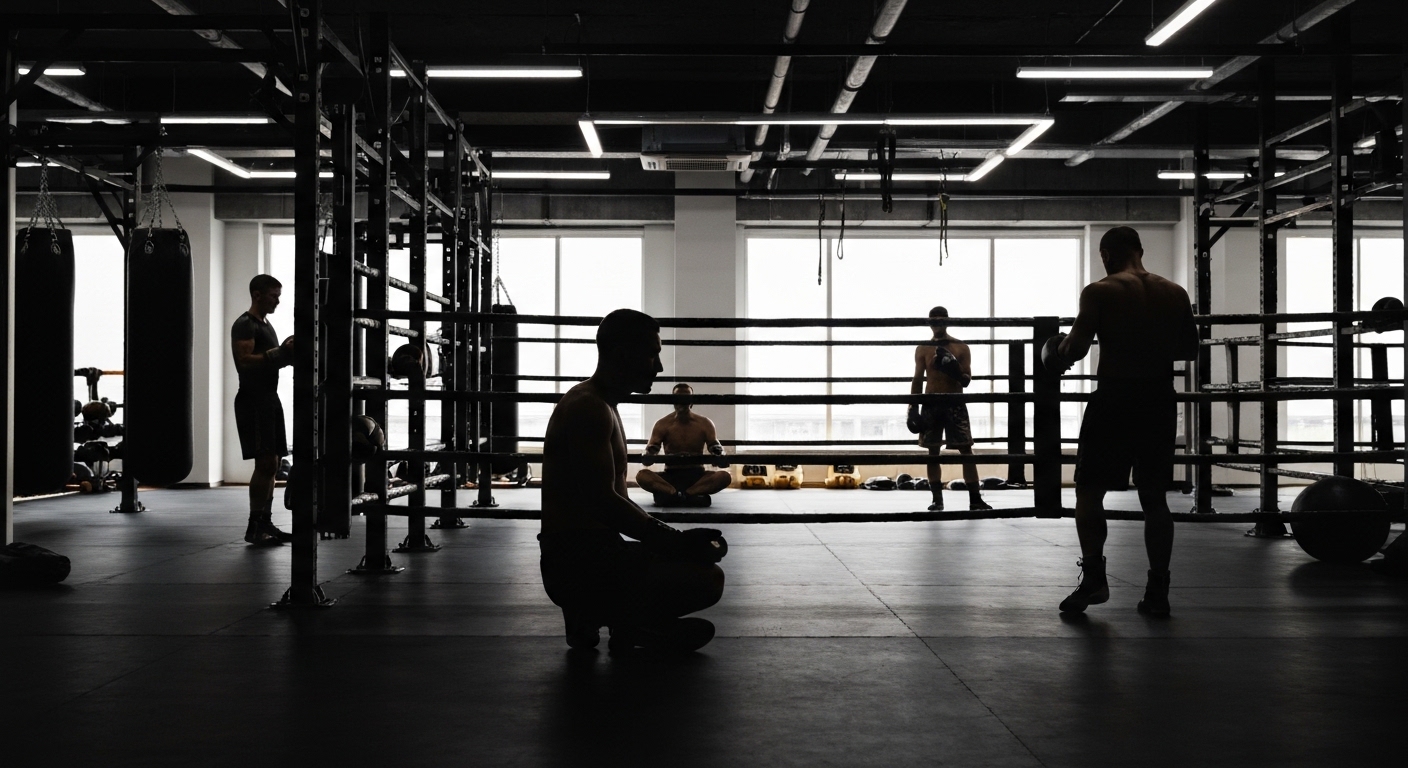
People come to boxing for fitness. They stay for what it does to their head.
That's not marketing fluff. We've seen it hundreds of times at H&G. Someone joins because they want to lose weight or get in shape. Six months later, when you ask them why they're still coming, the answer is almost never about their body. It's about how boxing makes them feel.
The mental health benefits of boxing are real, documented, and often more valuable than the physical ones. Let's talk about what actually happens.
The Stress Relief Effect
You've had a brutal day. Your boss was impossible. The commute was chaos. Everything that could go wrong did go wrong.
Now imagine walking into a gym, wrapping your hands, and spending an hour hitting something as hard as you can.
There's nothing quite like it. The physical release of aggression is immediate and therapeutic. You can't stay wound up while throwing combinations at a heavy bag. The stress literally gets beaten out of your system.
This isn't just perception. Exercise in general triggers endorphin release, but high-intensity exercise like boxing creates a particularly strong effect. Research published in the Journal of Affective Disorders found that high-intensity exercise was more effective at reducing symptoms of depression than moderate exercise.

Boxing also activates the sympathetic nervous system during training, then triggers a parasympathetic response during recovery. This trains your body to move between states of high activation and calm - which is exactly what people struggling with chronic stress or anxiety have trouble doing.
Anxiety and the Presence Effect
Anxiety typically involves either dwelling on the past or worrying about the future. Rarely are we anxious about right now.
Boxing forces you into the present moment. When you're throwing punches, defending against a partner, or trying to execute a complex combination, there's no mental bandwidth left for worry. Your entire focus is on what's happening in front of you.
This is essentially forced mindfulness. People pay money for meditation apps to achieve what happens naturally when someone is throwing jabs at your face.
Over time, this present-moment focus becomes a skill you can access outside the gym. Many of our members report that boxing has taught them how to get out of their head when anxiety strikes - not by suppressing it, but by having practiced a state of focused presence.
Building Confidence (Real Confidence)
There's a difference between confidence that comes from external validation and confidence that comes from proving something to yourself.
Boxing builds the second kind.
When you first walk into a boxing gym, you probably feel awkward and incompetent. You throw punches that look nothing like what they're supposed to. You get winded in the first five minutes. Everything is hard.
Then, session by session, you get better. Your jab sharpens up. Your footwork improves. You can do things you couldn't do before. And nobody gave you that - you earned it through effort.
This builds a different kind of self-belief. It's not "I'm confident because people tell me I'm good." It's "I'm confident because I've faced challenges and overcome them." That confidence transfers to other areas of life in ways that gym selfies and compliments don't.
Learning to Manage Discomfort
Modern life is engineered for comfort. We control temperature, avoid physical exertion, and have apps to minimise every inconvenience.
Boxing deliberately puts you in uncomfortable situations. Your muscles burn. You're out of breath. Your arms feel like they're made of lead and the coach is calling for one more round anyway.
Learning to function while uncomfortable - to keep your technique when you're exhausted, to stay calm when you're struggling - is a skill with applications far beyond the gym.
This is sometimes called building "stress inoculation." By regularly exposing yourself to controlled stress, you become better at handling stress in general. The deadlines and difficult conversations that used to feel overwhelming become more manageable when you've trained your nervous system to stay composed under pressure.
Community and Connection
Loneliness is increasingly recognised as a serious health issue. The UK Campaign to End Loneliness cites research showing that social isolation increases mortality risk by 26%.
Boxing provides genuine community. You train with the same people regularly. You share the experience of suffering through hard sessions together. You celebrate each other's improvements.
This isn't the shallow social interaction of a commercial gym where everyone has headphones in and avoids eye contact. Boxing gyms are inherently social. You partner up, you hold pads for each other, you coach each other through rounds.
For people who work from home, live alone, or have limited social connections, the community aspect of a boxing gym can be life-changing. It provides human connection without the pressure of traditional socialising.

Processing Anger and Aggression
Everyone feels anger sometimes. Modern life gives us few healthy outlets for it.
Boxing provides a controlled, socially acceptable way to express aggression. You can hit things - hard - without hurting anyone or getting in trouble. The physical expression of anger is cathartic in a way that talking about it or suppressing it isn't.
This is particularly valuable for people who struggle with anger issues. Rather than bottling it up until it explodes inappropriately, boxing provides a regular release valve. Many members describe leaving the gym feeling calm in a way they struggle to achieve otherwise.
There's also something useful about learning to channel anger productively. In boxing, wild aggression is actually counterproductive - you gas out quickly and leave yourself open. Controlled, focused aggression is what works. Learning to be aggressive without losing control is a transferable skill.
Routine and Structure
Mental health often deteriorates when routine breaks down. Depression in particular tends to disrupt normal patterns of activity, which then makes the depression worse.
Having boxing classes in your schedule creates external structure. On Tuesday and Thursday evenings, you're at the gym. It's not a decision you have to make in the moment when you might be feeling low.
This external accountability - knowing that the class is happening and people expect you there - gets people through the door on days when motivation is absent. And usually, they feel better after training than they would have felt staying home.
What the Research Says
The mental health benefits of boxing aren't just anecdotal. Studies have specifically examined boxing's effects:
A 2017 study published in the Journal of Sports Science and Medicine found that boxing training significantly reduced symptoms of depression and anxiety in participants over a 12-week period.
Research from the Mental Health Foundation has highlighted boxing as particularly effective for men, who often struggle to engage with traditional mental health support but respond well to physical activity.
A 2020 study in Frontiers in Psychology found that martial arts training (including boxing) improved emotional regulation and reduced aggression outside of training contexts.
Who Benefits Most?
While anyone can experience mental health benefits from boxing, certain groups seem to gain particularly strong effects:
- People with high-stress jobs often find that boxing is the only thing that reliably clears their head after work.
- Those with anxiety benefit from the present-moment focus and the physical release of nervous energy.
- People recovering from trauma sometimes find the empowerment of learning to defend themselves therapeutic (though this should complement professional support, not replace it).
- Those prone to depression benefit from the routine, community, and sense of accomplishment that regular training provides.
- People with anger issues get a healthy outlet and learn controlled aggression.
A Note of Caution
Boxing isn't a replacement for professional mental health treatment. If you're struggling with serious depression, anxiety, or other mental health conditions, please seek appropriate professional support.
What boxing can do is complement professional treatment and provide benefits that medication and therapy alone might not deliver. The combination of physical activity, community, skill-building, and stress relief creates a powerful support for mental wellbeing.
Finding Out for Yourself
Reading about mental health benefits is one thing. Experiencing them is another.
The only way to know if boxing will help you is to try it. Many people are surprised by how much better they feel after just a few sessions.
At H&G Boxing, we welcome everyone regardless of fitness level or experience. Our coaches understand that people come to boxing for many reasons, and we create an environment that supports mental wellbeing alongside physical training.
H&G Team
Writer at Honour & Glory Boxing Club, a community boxing gym in Kidbrooke, South East London.
MORE LIKE THIS


WANT TO JOIN US?
Book a free trial session and see what we're all about.
Book a Free Trial