Mike Tyson's Diet - What He Ate in His Prime
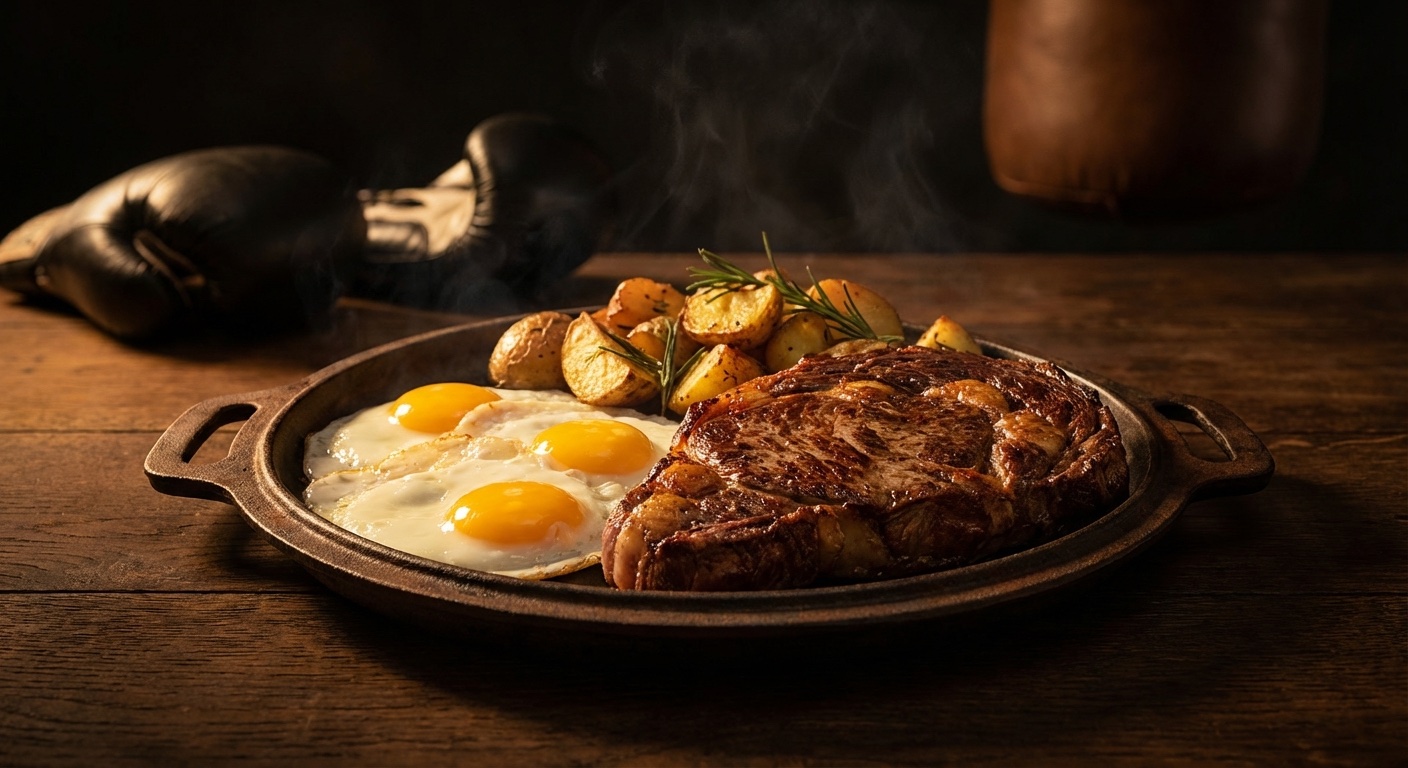
Mike Tyson in his prime was something different. Between 1985 and 1990, he was practically unstoppable - becoming the youngest heavyweight champion in history at 20 years old and unifying all three major belts.
His training regime under Cus D'Amato is legendary. But what about his diet? What did Mike Tyson eat to fuel that explosive power and relentless aggression?
The Cus D'Amato Years
When Tyson lived with Cus D'Amato in Catskill, New York, his diet was strictly controlled. D'Amato and trainer Kevin Rooney managed every aspect of young Mike's life, including nutrition.
The focus was simple: fuel for training, nothing unnecessary.
- 3,500-4,000 calories
- High protein (around 200g daily)
- Moderate carbohydrates
- Limited junk food
- No alcohol
Tyson has spoken about this period being the most disciplined of his life. He trained twice daily, ran in the early morning, and ate what he was told.
A Day of Eating: Prime Tyson
Based on interviews with Tyson, Rooney, and people who worked with him during the late 1980s, here's what a typical day looked like:
4:00am - Pre-Run
Tyson famously ran at 4am. Before the run: - Water - Sometimes a small piece of fruit
He didn't eat heavily before roadwork - just enough to not feel empty.
6:30am - Breakfast
After the morning run and a shower: - Oatmeal (large portion) - 6 eggs (sometimes whole, sometimes whites only) - Toast or bagels - Orange juice - Fresh fruit
Approximately 900-1,000 calories
10:00am - Mid-Morning Snack
Before the first gym session: - Protein shake - Banana or other fruit
Approximately 300-400 calories
12:30pm - Lunch
The main midday meal: - Chicken breast (large portion, around 300g) - Rice or pasta - Vegetables - Salad with olive oil
Approximately 800-900 calories
3:00pm - Pre-Training Snack
Before afternoon boxing training: - More fruit - Sometimes a small sandwich - Plenty of water
Approximately 250-300 calories
6:00pm - Dinner
After training: - Steak or fish (large portion) - Pasta or baked potato - Steamed vegetables - Salad
Approximately 900-1,000 calories
9:00pm - Evening Snack
Before bed: - Protein shake or - Milk and cereal or - Fruit and yoghurt
Approximately 300-400 calories
The Protein Focus
Tyson's diet centred heavily on protein. This makes sense - he was trying to maintain explosive power while making the heavyweight limit (which, for most of his prime, he comfortably stayed under).
His primary protein sources:
- Chicken (loads of it)
- Steak (red meat for iron and strength)
- Fish (especially before weigh-ins)
- Eggs (breakfast staple)
- Protein shakes (convenient, especially post-training)
The 200g+ protein intake was high even by boxing standards. But Tyson carried significant muscle mass for a heavyweight of his era. He needed the protein to maintain it.
Carbohydrates: Fuel for Training
Despite what some modern diets suggest, Tyson ate plenty of carbs. His training was too intense to fuel any other way.
- Oatmeal (breakfast staple)
- Rice (white rice for quick energy)
- Pasta (dinner favourite)
- Potatoes (baked, not fried)
- Bread and bagels
- Fresh fruit (natural sugars)
Training twice daily with intense roadwork, bag work, sparring, and conditioning burns through glycogen rapidly. You can't do that on a low-carb diet.
What Tyson Avoided (In His Prime)

During the disciplined Cus D'Amato years, Tyson avoided:
- Fried foods. Heavy, slow to digest, bad for performance.
- Fast food. Occasionally mentioned as a weakness, but kept in check during camp.
- Alcohol. Cus was strict about this. No drinking during serious training.
- Excessive sugar. No sweets, fizzy drinks, or desserts during camp.
- Late night eating. Early wake-ups meant early bedtimes.
This discipline would later slip after D'Amato's death in 1985. Tyson himself has spoken about how his diet deteriorated in the 1990s when he no longer had that structure.
The "Iron Mike" Calorie Burn
Why could Tyson eat 3,500-4,000 calories without getting fat? Simple: his training was brutal.
- 4am run (5-6 miles) - approximately 600 calories
- Calisthenics after run - approximately 200 calories
- Bag work - approximately 500 calories
- Sparring - approximately 700 calories per hour
- Pad work - approximately 400 calories
- More bag work, speed drills, neck work - approximately 400 calories
That's potentially 2,500+ calories burned through training alone, not including his base metabolic rate. A prime Tyson could easily need 4,000+ calories just to maintain weight.
After Cus: How the Diet Changed
D'Amato died in November 1985, just before Tyson won the heavyweight title. While Kevin Rooney continued training him, the strict lifestyle gradually eroded.
By the early 1990s, Tyson's weight began fluctuating. He's spoken in interviews about eating pizza, fast food, and drinking during periods when he wasn't in camp. The discipline that Cus imposed was difficult to maintain alone.
This shows something important: even the most talented fighters need structure. Tyson's decline wasn't just about lifestyle and legal troubles - it was also about losing the nutritional discipline that helped create him.
What Amateurs Can Learn From Tyson's Diet
You're probably not training twice daily with professional sparring partners. But Tyson's prime-era nutrition offers lessons:
1. Protein is non-negotiable
Tyson built his physique on high protein intake. You might not need 200g daily, but hitting 1.6-2g per kg of bodyweight will help your boxing development.
2. Carbs fuel hard training
Don't fear carbohydrates. If you're training hard, you need them. Tyson ate rice, pasta, oatmeal, and bread regularly.
3. Timing matters
Notice how Tyson's meals were scheduled around training sessions? Eating right fuels performance and recovery.
4. Discipline requires structure
Tyson thrived when someone else controlled his diet. For amateurs, this might mean meal prepping, planning ahead, or having an accountability partner.
5. Simple foods work
Tyson didn't eat exotic superfoods. Chicken, rice, eggs, steak, vegetables. Basic stuff, done consistently.
The Supplement Question
What supplements did Tyson take in his prime? Probably not many by today's standards.
The supplement industry exploded in the 1990s. During Tyson's peak years (1985-1990), options were limited:
- Basic protein powder
- Multivitamins
- Possibly B-vitamins for energy
No pre-workouts, no creatine, no BCAAs. Just food and training. The results speak for themselves.
Applying This to Your Training
You can eat like prime Tyson by focusing on:
- High protein at every meal - Chicken, eggs, fish, or beef
- Carbs around training - Oatmeal before, rice or pasta after
- Vegetables for health - Tyson ate them even if he didn't love them
- Consistent timing - Eat at similar times daily
- Cut the rubbish - Limit fried food, fast food, alcohol, and excessive sugar
Want to train like a champion? Start with the nutrition fundamentals. Then come down to Honour & Glory for a free session and see what your body can do when it's properly fuelled.
Frequently Asked Questions
How many calories did Mike Tyson eat per day?
During his prime years under Cus D'Amato, Tyson consumed approximately 3,500-4,000 calories daily. This supported twice-daily training sessions and maintained his muscular heavyweight physique.
Did Mike Tyson eat a lot of red meat?
Yes. Steak featured regularly in Tyson's dinner rotation. Red meat provided iron and protein for his demanding training schedule.
What time did Mike Tyson eat breakfast?
Tyson ate breakfast around 6:30am after his famous 4am run. It typically included oatmeal, eggs, toast, juice, and fruit.
Did Tyson take supplements?
In his prime, supplements were less common than today. Tyson likely used basic protein powder and multivitamins, but nothing like the range of products available now.
H&G Team
Writer at Honour & Glory Boxing Club, a community boxing gym in Kidbrooke, South East London.
MORE LIKE THIS


WANT TO JOIN US?
Book a free trial session and see what we're all about.
Book a Free Trial