Stretching Routine for Boxers - Before and After Training
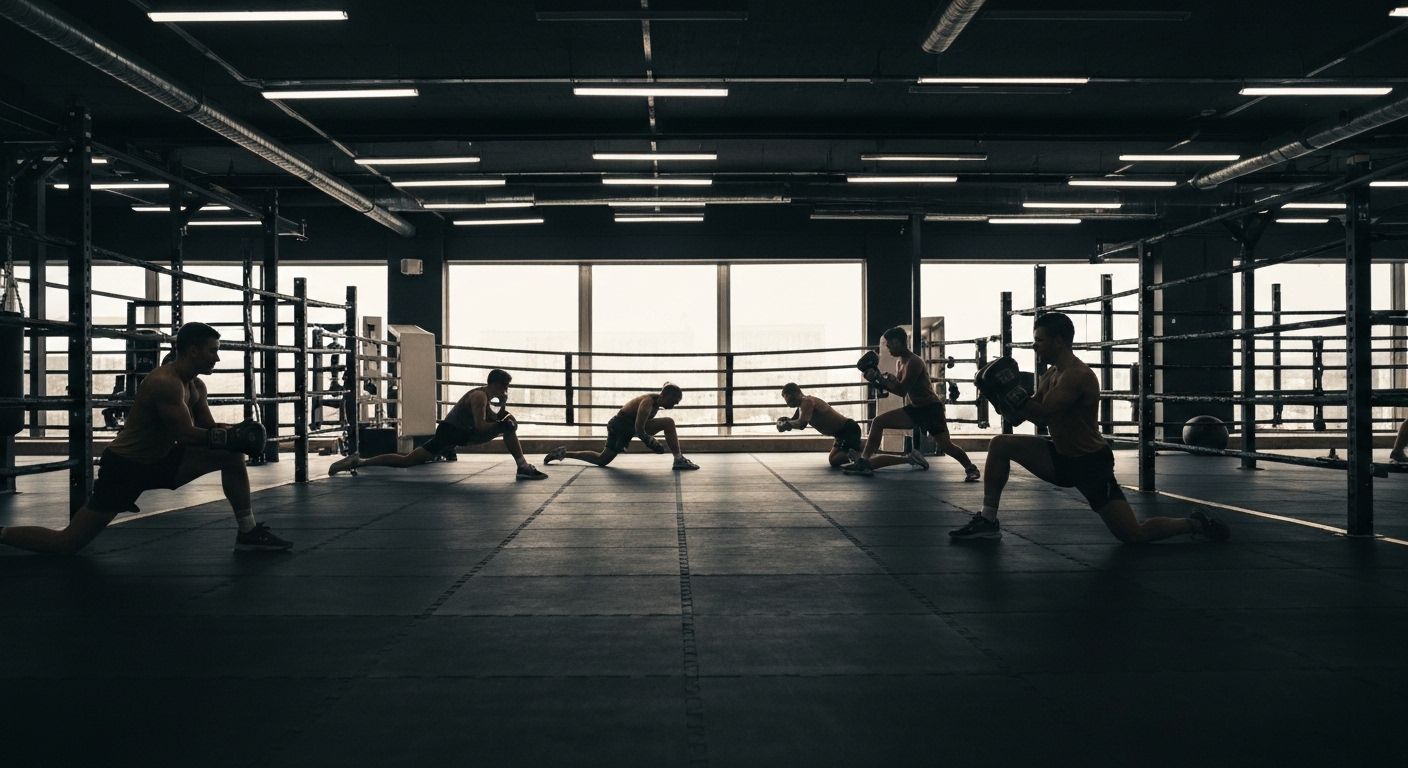
Most boxers understand that stretching matters. Fewer actually do it properly. Even fewer know the difference between what to do before training versus after.
Here is a no-nonsense guide to stretching for boxing - what actually works, when to do it, and a routine you can follow.
Why Stretching Matters for Boxing
Boxing demands a lot from your body. Your shoulders rotate through massive ranges during punches. Your hips need to pivot and turn. Your legs drive from the floor. Your core twists and braces constantly.
Tight muscles restrict this movement. When your shoulders are locked up, your punches lose range. When your hips are stiff, your rotation suffers. When your calves are tight, your footwork becomes flat.
Proper stretching:
- Increases the range of motion available for punches
- Reduces injury risk by preparing muscles for work
- Speeds recovery by reducing post-training tightness
- Improves overall movement quality
The catch is that different types of stretching serve different purposes. Get this wrong and you can actually hurt performance.

Dynamic Stretching - Before Training
Before you train, you want to prepare your muscles without reducing their ability to produce force. This is where dynamic stretching comes in.
Dynamic stretches involve movement. You take muscles through their range of motion actively rather than holding static positions. This raises your body temperature, increases blood flow, and primes your nervous system for work.
Static stretching before training - holding positions for 30-60 seconds - can actually reduce power output and increase injury risk. Save that for afterwards.
Pre-Training Dynamic Routine (10 minutes)
1. Arm Circles (30 seconds each direction)
Stand with arms extended to the sides. Make small circles, gradually increasing to large circles. Reverse direction. This warms up the shoulder joints and surrounding muscles.
2. Torso Rotations (30 seconds)
Feet shoulder-width apart, hands on hips. Rotate your upper body left and right, keeping your hips stable. This prepares your core for the rotational demands of punching.
3. Hip Circles (30 seconds each direction)
Hands on hips, feet slightly wider than shoulder-width. Make large circles with your hips, keeping your upper body relatively stable. Reverse direction.
4. Leg Swings - Front to Back (10 each leg)
Hold something for balance. Swing one leg forward and backward in a controlled pendulum motion. Keep the swinging leg fairly straight. Increase range gradually.
5. Leg Swings - Side to Side (10 each leg)
Face your support. Swing one leg across your body and out to the side. Keep your torso facing forward. This opens up the inner and outer thigh.
6. Walking Lunges with Twist (10 steps)
Step forward into a lunge position. At the bottom, twist your torso toward the front leg. Step through to the next lunge. This combines hip flexor stretching with thoracic rotation.
7. Inchworms (5 repetitions)
Start standing. Fold forward and walk your hands out to a plank position. Walk your feet forward to meet your hands. Stand up and repeat. This warms up the hamstrings, shoulders, and core.
8. High Knees (30 seconds)
Jog in place, bringing your knees high toward your chest. This raises heart rate and prepares the hip flexors.
9. Shoulder Crosses (20 repetitions)
Swing both arms across your body, alternating which arm is on top. Move rhythmically. This activates the muscles around your shoulder blades.
10. Shadow Boxing (2-3 minutes)
Light shadow boxing at 30-50% intensity. Move around, throw easy combinations, work through all your punches. This is the final warm-up before real work begins.
This routine takes about 10 minutes and leaves you genuinely ready to train - warm, loose, and activated.
Static Stretching - After Training
After training, the goal changes. Now you want to lengthen muscles that have shortened during work, reduce tightness, and begin the recovery process.
Static stretching works well here. Hold positions for 30-60 seconds, breathing deeply and allowing muscles to release. Do not bounce or force anything - the stretch should feel like a gentle pull, not pain.
Post-Training Static Routine (10-15 minutes)
1. Chest and Shoulder Doorway Stretch (30 seconds each side)
Stand in a doorway. Place your forearm against the door frame, elbow at 90 degrees. Step forward and rotate your body away until you feel a stretch across your chest and front shoulder. Repeat with arm higher and lower to target different fibres.
2. Tricep Stretch (30 seconds each arm)
Raise one arm overhead. Bend the elbow, dropping your hand behind your head. Use your other hand to gently press the elbow back. Feel the stretch along the back of your upper arm.
3. Cross-Body Shoulder Stretch (30 seconds each arm)
Bring one arm across your body at shoulder height. Use your other hand to pull it gently toward your chest. Feel the stretch in the back of your shoulder.
4. Neck Stretches (30 seconds each direction)
Drop your ear toward your shoulder. Hold. Repeat the other side. Then tuck your chin toward your chest. Finally, look up gently. The neck takes punishment from keeping your guard up.
5. Hip Flexor Lunge Stretch (45 seconds each side)
Kneel on one knee with the other foot forward in a lunge position. Push your hips forward gently until you feel a stretch in the front of the hip on the kneeling side. Keep your torso upright.
6. Pigeon Pose (45 seconds each side)
From hands and knees, bring one knee forward and externally rotate the hip. Extend the other leg behind you. Lower your upper body toward the floor. This opens up the outer hip and glutes.
7. Hamstring Stretch (45 seconds each leg)
Sit with one leg extended, the other bent with foot against the inner thigh. Fold forward over the straight leg, reaching toward your foot. Keep your back relatively flat.
8. Quad Stretch (30 seconds each leg)
Stand on one leg (hold something for balance if needed). Grab the other ankle and pull your heel toward your glutes. Keep your knees together and stand tall.
9. Calf Stretch (30 seconds each leg)
Face a wall. Step one foot back, keeping it straight with heel on the floor. Bend the front knee and lean into the wall. Feel the stretch in the back calf. Repeat with the back knee slightly bent to target the soleus muscle.
10. Forearm and Wrist Stretches (30 seconds each position)
Extend one arm forward. Pull the fingers back toward you with the other hand (palm facing away). Then flip and pull the fingers down (palm facing you). These muscles work hard during bag and pad work.
11. Child's Pose (60 seconds)
Kneel and sit back on your heels. Fold forward with arms extended. Let your forehead rest on the floor. Breathe deeply. This releases the lower back and shoulders while calming the nervous system.

Common Areas of Tightness for Boxers
Certain areas tend to get especially tight from boxing. Pay extra attention to these:
Shoulders - Constant punching and holding your guard creates chronic shoulder tightness. The front deltoid, pecs, and rotator cuff muscles all need regular attention.
Hip flexors - The boxing stance keeps your hips slightly flexed. Combined with sitting during the rest of your life, hip flexors become chronically shortened.
Calves - Staying on your toes and bouncing takes a toll on the calves. Tight calves can lead to foot and ankle problems.
Forearms and wrists - Gripping gloves and making fists tightens the forearm muscles. This can lead to wrist and elbow issues if not addressed.
Upper back - Keeping your guard up rounds your shoulders forward. The upper back can become locked in this position.
If you have limited time, prioritise these areas.
Foam Rolling
Foam rolling can supplement stretching for recovery. Roll slowly over tight areas, pausing on tender spots for 30-60 seconds. Focus on:
- Quads and IT band (sides of thigh)
- Glutes
- Upper back
- Lats
- Calves
Foam rolling before training can be part of your warm-up if you keep it brief - just 30-60 seconds per area to increase blood flow.
Stretching Frequency
Minimum: Before and after every training session using the routines above.
Better: Add a dedicated 15-20 minute stretching session on rest days or before bed.
Ideal: Brief mobility work daily, proper pre/post training routines, and occasional longer yoga or mobility sessions.
Consistency beats intensity. Ten minutes of stretching every day accomplishes more than one hour-long session per week.
Common Mistakes
Stretching cold muscles before training. Always do some light movement before dynamic stretching. Jump rope for 2 minutes or do some light shadow boxing first.
Static stretching before training. Save the long holds for afterwards. Dynamic movement prepares you better for intense work.
Bouncing during static stretches. Hold positions steady. Bouncing triggers the stretch reflex and can cause muscle strains.
Holding your breath. Breathe deeply and slowly during stretches. Exhale as you move deeper into the position.
Ignoring pain. Stretching should feel like a pull, not sharp pain. If something hurts, back off.
Rushing through it. Give stretches adequate time. Thirty seconds is the minimum for static stretches to have effect.
Making It Stick
The hardest part of stretching is not learning what to do - it is actually doing it consistently.
Some tips:
Make it non-negotiable. Stretching is part of training, not optional extra. You would not skip your combinations; do not skip your stretches.
Pair it with something. Stretch while watching TV. Do morning mobility when your coffee brews. Stack habits together.
Start small. Even 5 minutes of stretching beats nothing. Once the habit is established, you can extend the duration.
Notice the benefits. Pay attention to how you feel when you stretch consistently versus when you skip it. The difference is motivating.
Your body is your boxing equipment. Take care of it, and it will serve you well. Neglect it, and problems accumulate.
H&G Team
The coaching and community team at Honour & Glory Boxing Club, a community boxing gym in Kidbrooke, South East London.
MORE LIKE THIS


WANT TO JOIN US?
Book a free trial session and see what we're all about.
Book a Free Trial