What Do Professional Boxers Eat? (Detailed Breakdown)
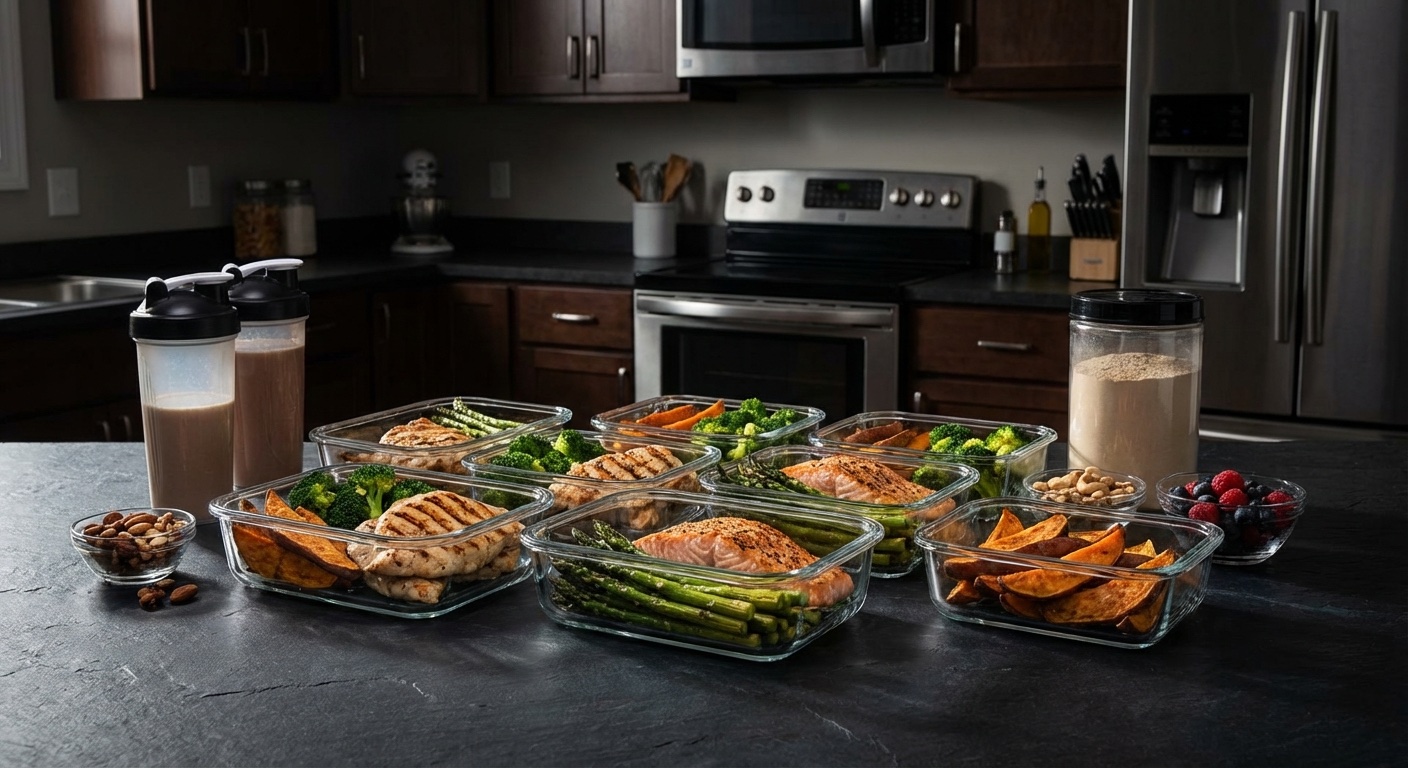
Professional boxers treat food like equipment. It's not about enjoying meals - it's about fuelling performance, recovery, and making weight. What do boxers eat at the highest level? The answer is more methodical than you might expect.
We've looked at interviews, training camp footage, and nutritionist breakdowns to piece together what elite fighters actually put in their bodies.

The Numbers Behind Pro Boxing Nutrition
Professional boxers typically work with sports nutritionists who calculate everything to the gram. Here's what the data looks like across different weight classes:
- Training phase: 2,200-2,800 calories
- Protein: 130-150g daily
- Carbs: 250-350g daily
- Training phase: 2,500-3,200 calories
- Protein: 150-170g daily
- Carbs: 300-400g daily
- Training phase: 2,800-3,500 calories
- Protein: 160-190g daily
- Carbs: 350-450g daily
- Training phase: 3,500-5,000 calories
- Protein: 200-250g daily
- Carbs: 400-600g daily
These numbers shift dramatically during fight week when fighters cut weight.
A Day in the Life: Pro Boxer Meal Schedule
Professional fighters often eat 5-6 times per day to keep energy stable. Here's a typical schedule during training camp:
5:30am - Pre-Run Snack
Most pros start with roadwork at dawn. Before that: - Half a banana - Small handful of almonds - Black coffee or water
Around 150 calories - just enough to fuel the run without feeling heavy
7:30am - Breakfast (Post-Run)
After the morning run and stretching: - 4 egg omelette with vegetables - Porridge with berries and honey - Orange juice or smoothie - Multivitamin supplement
Around 700-800 calories
10:30am - Mid-Morning Snack
Before the first gym session: - Greek yoghurt with granola - Piece of fruit - Protein shake (some fighters, not all)
Around 350-400 calories
1:00pm - Lunch
The main fuel for afternoon training: - Large portion of lean protein (chicken, fish, or turkey - around 250g) - Complex carbohydrates (rice, pasta, or potatoes - around 200g cooked) - Vegetables (as much as you want) - Healthy fats (olive oil, avocado)
Around 800-900 calories
4:00pm - Pre-Training Snack
Before the main boxing session: - Rice cakes with nut butter - Banana or dates - Some fighters add a small coffee for alertness
Around 250-300 calories
7:00pm - Dinner
After training, recovery becomes the priority: - Another protein source (often salmon or beef for variety) - More carbs to replenish glycogen - Large salad or cooked vegetables - Healthy fats
Around 750-850 calories
9:00pm - Evening Recovery
Before bed: - Casein protein shake or cottage cheese (slow-release protein) - Some fighters add tart cherry juice for sleep and recovery
Around 200-250 calories
What Top Pros Have Said About Their Diets
- Canelo Alvarez reportedly eats every three hours during training camp. His nutritionist has spoken about the emphasis on lean meats, vegetables, and precisely measured carbohydrates. Canelo avoids fried foods entirely during camp and limits red meat to once per week.
- Tyson Fury has been open about his dietary struggles and transformations. When he's in serious training, he works with a nutritionist who puts him on high protein, moderate carbs, and carefully controlled portions. Outside of camp? That's a different story - and part of why his weight has fluctuated so much.
- Vasyl Lomachenko follows a fairly traditional Eastern European athletic diet. Lots of eggs, fish, buckwheat (popular in Ukraine), and vegetables. His camps are known for being strict with no alcohol and minimal sugar.
- Deontay Wilder has talked about eating up to 5,000 calories daily during training camp to maintain his power at heavyweight. Lots of chicken, rice, and protein shakes feature heavily.
The Supplements Question
Pro boxers use supplements, but probably fewer than you'd think. The basics include:
- Whey protein (convenience, not magic)
- Multivitamins (insurance policy)
- Omega-3 fish oils (inflammation and recovery)
- Vitamin D (especially for fighters training indoors)
- Magnesium (muscle function, sleep)
- BCAAs (branched-chain amino acids)
- Creatine (more common in heavier weight classes)
- Caffeine (pre-training boost)
- Testosterone boosters (drug testing concerns)
- Pre-workouts with unknown ingredients
- Anything that might trigger a positive test
Most elite fighters are cautious about supplements because contamination can lead to failed drug tests. They stick to tested, reputable brands.

Fight Week: When Everything Changes
The week before a fight, nutrition becomes about making weight. This is where it gets complicated - and sometimes dangerous.
- Monday-Wednesday. Calories drop. Sodium intake reduces. Water loading begins (drinking 6-8 litres per day to flush the system).
- Thursday. Water intake drops dramatically. Carbs almost disappear. Some fighters use saunas to sweat out water weight.
- Friday (Weigh-in day). Many fighters wake up having eaten almost nothing in 24 hours. They make weight, then immediately begin rehydrating and eating.
- Saturday (Fight night). After rehydrating overnight, fighters often weigh 5-10kg more than they did at the weigh-in. The goal is to fight at a heavier, stronger weight than your opponent while both officially made the same weight class.
This practice is controversial and carries real health risks. We cover this in detail in our article on cutting weight for boxing.
What Amateurs Can Learn From Pro Diets
You don't need a personal chef to eat like a pro. The principles are simple:
1. Protein at every meal
Pros never skip protein. Whether it's eggs at breakfast, chicken at lunch, or fish at dinner - there's always a protein source.
2. Carbs around training
Notice how the meal schedule puts carbohydrates before and after the main training sessions? That's intentional. Carbs fuel performance and recovery.
3. Vegetables are non-negotiable
Every pro eats lots of vegetables. They fill you up, provide micronutrients, and support recovery. No one got fat eating broccoli.
4. Hydration is constant
Professional boxers drink water constantly throughout the day - except during the final stages of a weight cut.
5. Consistency beats perfection
Pros don't eat perfectly every day. But they eat well consistently. One bad meal doesn't matter. A bad week does.
Building Your Own Boxing Diet
Start with these steps:
- Calculate your calorie needs - Use an online calculator, then adjust based on results
- Set protein to 2g per kg bodyweight - This ensures adequate muscle recovery
- Fill the rest with carbs and fats - Roughly 50% carbs, 25% fats works for most
- Eat 4-6 times per day - Keeps energy stable for training
- Time meals around sessions - Big meals 2-3 hours before, snacks closer to training
If you're training at Honour & Glory, our coaches can point you in the right direction with nutrition basics. We're not dietitians, but we know what works in boxing.
Frequently Asked Questions
How much protein do professional boxers eat?
Most professional boxers consume 1.8-2.5g of protein per kg of bodyweight daily. For a 70kg fighter, that's 126-175g of protein spread across 5-6 meals.
Do boxers eat junk food?
During training camp, rarely. Outside of camp, some fighters enjoy treat meals. The key is that 90% of the time, they eat clean.
Why do boxers eat so many meals?
Eating frequently keeps blood sugar stable and ensures a constant supply of nutrients for training and recovery. It's also easier to consume 3,000+ calories across six meals than three.
What do boxers eat the night before a fight?
After making weight, fighters rehydrate and eat easily digestible carbohydrates like pasta, rice, or bread. Protein is kept moderate to avoid slow digestion. The exact meal varies by fighter preference.
H&G Team
Writer at Honour & Glory Boxing Club, a community boxing gym in Kidbrooke, South East London.
MORE LIKE THIS


WANT TO JOIN US?
Book a free trial session and see what we're all about.
Book a Free Trial